Average response time: under 24 hours
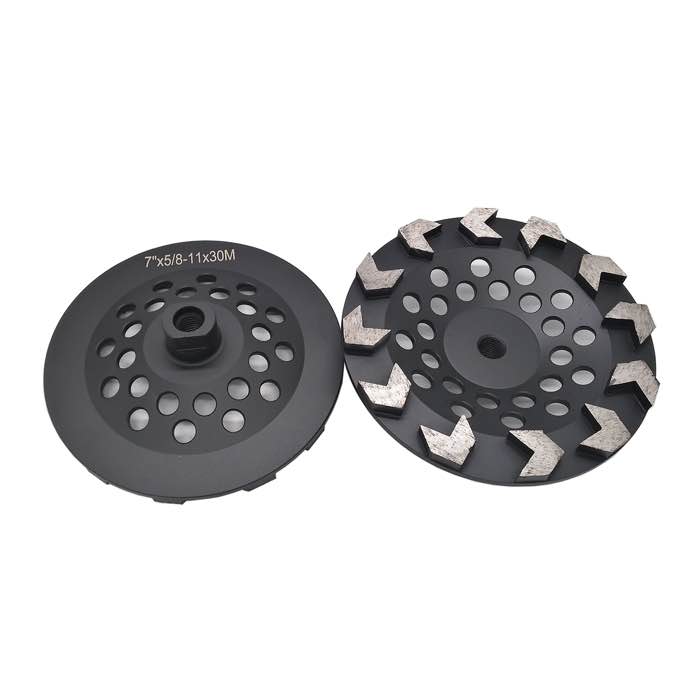
For effective concrete grinder dust collection, fit a dust shroud around the disc that seals to the floor, connect it to a vacuum rated for fine dust (HEPA filter, at least 1000 W or equivalent airflow), and use a hose that matches the shroud port without collapsing under suction. A tight seal and a strong vacuum capture most of the dust at the source. If dust escapes at the shroud edges, reduce the gap or switch to wet grinding, which eliminates airborne dust entirely but produces slurry you must collect.
Concrete grinding creates fine silica dust that stays airborne for hours and is a serious respiratory hazard. Source capture — collecting the dust at the disc — is far more effective than trying to clean the air afterward. It also keeps the work surface visible, keeps discs from loading, and reduces cleanup time dramatically. A grinder without collection does not just make a mess; it puts the operator at risk. Our guide on concrete grinding dust health risks and protection explains the exposure rules.
Each part matters. A powerful vacuum with a leaking shroud collects almost nothing; a perfect shroud with a weak vacuum leaves dust at the trailing edge.
Use a vacuum designed for fine dust — a shop vacuum with a HEPA filter works if the airflow is adequate; an industrial dust extractor with a self-cleaning filter is better for continuous work. Check the airflow rating, not just the wattage: look for at least 1000 W or about 3000-4000 L/min airflow. The hose should fit the shroud port snugly. If the port is 35 mm, use a 35 mm hose — an oversized hose reduces suction at the disc; an undersized hose starves the shroud.
Keep the hose as short as practical and secure it so it does not drag across the floor. A hose that keeps tripping the machine or kinking kills collection quality. On floor grinders, many machines have a built-in port; add an adapter if the vacuum hose does not match.
The shroud must sit flat on the floor around the disc. On uneven concrete, use a shroud with a brush skirt that flexes over small gaps. If dust still escapes at the leading edge, the disc is running against the shroud's rotation — check that you are using the correct shroud direction and that the skirt is not worn. On handheld grinders, work with the shroud pressed against the surface and keep the tool flat; tilting breaks the seal and sprays dust.
Grind in the direction that pulls dust into the shroud. The shroud's dust port should trail the rotation so the shroud scoops the dust as the disc spins. If you reverse direction, the dust exits at the port side and collection drops.
Wet grinding eliminates airborne dust completely — water captures the fines at the source. The trade-off is slurry: you must contain and dispose of the wet waste, and the floor must tolerate water. Wet grinding suits outdoor work and machines with a water port. Many jobs use dry grinding with good collection indoors and wet grinding where slurry is acceptable. For tight, dusty jobs, combining a shroud with a shop vacuum is the fastest reliable setup for a first project.
Pair a sealing shroud with a sharp diamond cup wheel and a trapezoid grinding disc for clean removal.
Yes, ideally. Silica dust is fine enough to pass through standard filters, and a HEPA filter keeps the vacuum from exhausting dust back into the air. An industrial dust extractor with a self-cleaning filter is best for long jobs.
Usually the shroud does not seal to the floor, the skirt is worn, or the hose is too small. Check the seal, replace the skirt, and match the hose to the port.
Yes. Wet grinding captures dust with water, but you must manage the slurry and the machine must be rated for wet use. It is a good option outdoors or where dry dust is unacceptable.
At least 1000 W or about 3000-4000 L/min airflow with a HEPA filter for fine dust. Match the hose to the machine's dust port for full suction at the disc.
Effective dust collection on a concrete grinder is a system: a sealing shroud, a fine-dust-rated vacuum, and a correctly sized hose. Keep the shroud flat, grind in the correct direction, and check the seal as you work. Where dry collection is impractical, wet grinding removes the airborne hazard entirely. With the right hookup, grinding stays fast, clean, and safe.
Written and reviewed by JOY TECH - an SGS & BV audited, CE/RoHS certified diamond tools manufacturer founded in 2004, exporting to 50+ countries.
Our factory and quality management system are audited by SGS and Bureau Veritas. Products meet CE/RoHS requirements and every piece is 100% inspected before packing.
Verified Certificates
