Average response time: under 24 hours
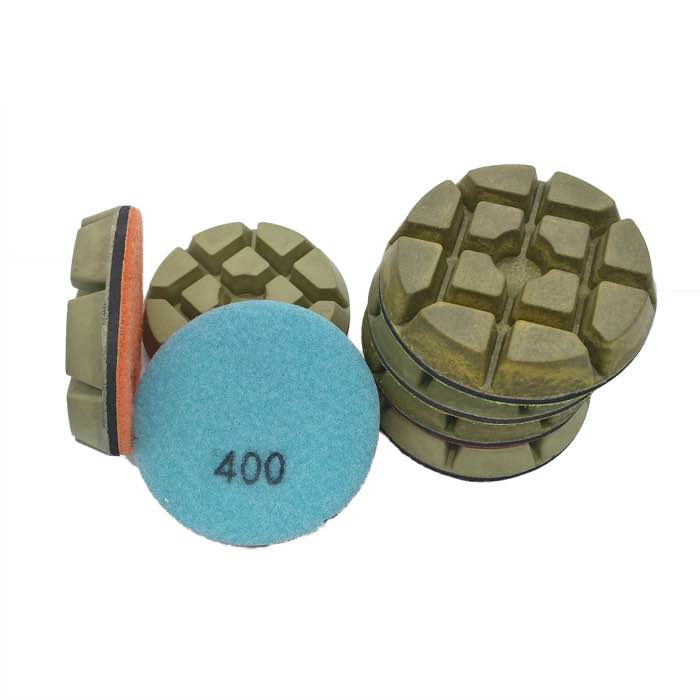
Concrete polishing pads use a color and grit system where the color identifies the grit size: typically black or coarse metal for grinding (30-50 grit), red or orange for coarse honing (50-100), green (200), blue (400), and so on through grey, white, and pink for the fine burnishing steps (800-3000+). Always follow the manufacturer's color chart, because color codes differ between brands. The sequence matters more than the names: each step removes the scratches from the one before.
Pad manufacturers assign a color to each grit in their range so operators can identify pads quickly on the job. The common scheme runs from dark to light as grit gets finer: black (coarse grinding), red/orange, green, blue, grey, white, pink (very fine burnish). But there is no universal standard: one brand's green may be 200 grit and another's 400, and the exact grits are printed on the pad. Always read the label and the manufacturer's chart, and keep the chart on the job site.
A typical concrete polish sequence: 30-50 grit metal bond to grind and level, then resin pads at 50-100 (red/orange) to refine, 200 (green) to hone, 400 (blue) to remove remaining scratches, 800 (grey) to begin the sheen, 1500 (white) to build gloss, and 3000+ (pink) to burnish. Some systems add a 100 or 200 step twice. The rule is: never skip more than about one grit level, because the pad cannot remove scratches left by a much coarser step.
| Typical color | Grit range | Stage |
|---|---|---|
| Black / metal | 30-50 | Grind, level |
| Red / orange | 50-100 | Coarse hone |
| Green | 200 | Hone |
| Blue | 400 | Refine |
| Grey | 800 | Start gloss |
| White | 1500 | Build gloss |
| Pink | 3000 + | Burnish |
Metal-bond pads have diamonds in a metal matrix and are the grinding tools: they remove concrete, level the surface, and prepare it for polishing. Resin-bond pads use a resin matrix and are the polishing tools: they refine the surface and build the gloss. The switch point is usually around 100-200 grit, from metal to resin. Using resin pads where metal is needed wastes them fast; using metal pads in the fine steps scratches the finish. Keep the two families clearly separate on the job.
For coating removal, use PCD or coarse metal pads. For leveling a floor, coarse metal bond. For a satin finish, polish to around 400-800 grit and stop. For a full high-gloss polish, continue to 1500-3000. For maintenance and burnishing, use the fine pads (1500-3000) or a white burnishing pad with sealer. Match pad diameter to the machine plate, and buy pads from a polishing pad supplier that publishes the full grit chart for the system you use.
Use the right speed and pressure: too much pressure wears pads fast and cuts unevenly; too little polishes slowly. Keep the floor vacuumed between grits so stray diamond grit from a coarse pad does not scratch the fine steps. Run pads in a dry mode with dust control or wet mode with slurry, and follow the manufacturer's water recommendation. Store pads flat and dry, separated so they do not rub. A clean, level floor makes every pad last longer and finish better.
For an even gloss, work through diamond resin polishing pads in the correct grit sequence.
Keep resin floor polishing pads on hand so the finish stages of the floor stay consistent.
Written and reviewed by JOY TECH - an SGS & BV audited, CE/RoHS certified diamond tools manufacturer founded in 2004, exporting to 50+ countries.
Our factory and quality management system are audited by SGS and Bureau Veritas. Products meet CE/RoHS requirements and every piece is 100% inspected before packing.
Verified Certificates
