Average response time: under 24 hours
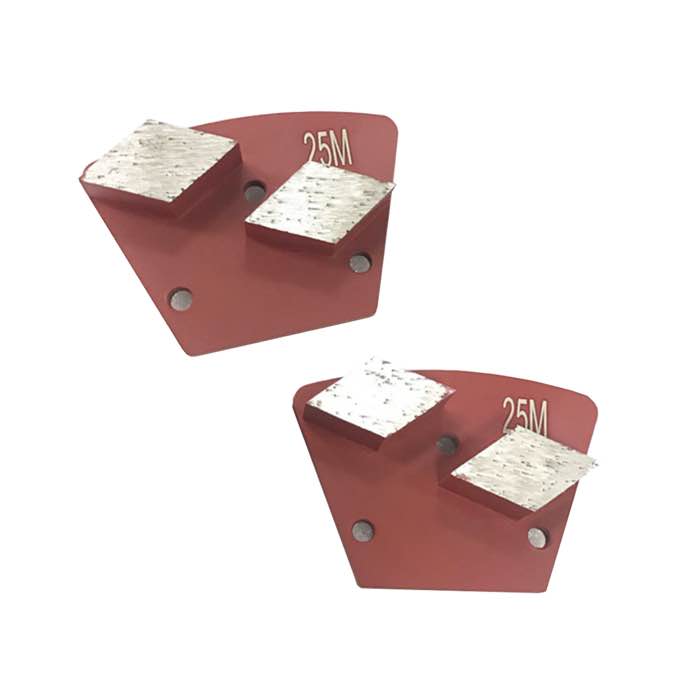
Grinding problems are usually tooling or technique issues rather than defects in the concrete. Dry abrading is the standard for surface preparation and most concrete work because it pairs with HEPA industrial vacuum extraction and leaves the floor ready to coat. Wet will not ruin concrete — it creates grinding slurry you must collect — but it slows production and delays coating layer.
For machine-matched tooling, browse our 3'' Metal Bond Diamond Grinding Disc with 4 Segments range.What you should know before starting.
It is fast, clean, and leaves the slab dry for immediate coating layer.
Contractors who skip this stage usually end up redoing the floor.
The key points in practice.
Downsides: grinding slurry disposal, GFCI/electrical safety, and the floor must dry fully before coating layer.
This is where most crews get it right - or lose time.
A closer look at the details.
On a dry prep project, use a free-sawing metal disc like a trapezoid disc; for wet stone work, switch to a wet-rated bond and resin pads.
Getting this part right saves a full re-pass later.
What you should know before starting.
Wet concrete abrading slurry is alkaline and silty.
Contractors who skip this stage usually end up redoing the floor.
The key points in practice.
Dispose of hardened cake at a concrete waste facility.
This is where most crews get it right - or lose time.
A closer look at the details.
Wet cooling extends diamond service life of the tool on hard stone and dense concrete by keeping segments from overheating.
Getting this part right saves a full re-pass later.
What you should know before starting.
Most commercial flooring crews carry both setups and select per project.
Contractors who skip this stage usually end up redoing the floor.
The key points in practice.
If you switch a dry-bond disc to wet, it may cut slower.
This is where most crews get it right - or lose time.
A closer look at the details.
Dry with industrial vacuum wins for fast prep and immediate coating layer.
Getting this part right saves a full re-pass later.
What you should know before starting.
Do not mix wet grinding slurry with dry industrial vacuum — it clogs the filter.
Contractors who skip this stage usually end up redoing the floor.
The key points in practice.
Dry abrading means louder fine dust; wet means splash.
This is where most crews get it right - or lose time.
A closer look at the details.
Dry for production and coating layer prep; wet for fine dust-sensitive interiors and stone.
Getting this part right saves a full re-pass later.
What you should know before starting.
Wet cooling lets you use a slightly harder bond.
Contractors who skip this stage usually end up redoing the floor.
The key points in practice.
Select per site, and do not be afraid to mix methods.
This is where most crews get it right - or lose time.
A: In short, No — it just adds water. Once dry, the concrete is unchanged. Do not leave standing water on a fresh slab.
A: The practical answer is, Many floor abrading equipment accept a water feed kit. Use GFCI protection and waterproof leads.
A: For most jobs, Wet burnishing in most cases yields a deeper, cleaner mirror finish on stone; dry burnishing gives a bright sheen on concrete.
A: In short, Slightly, due to water management and cleanup, but service life of the tool frequently offsets it.
Looking for the right tool? Check our 3'' Metal Bond Diamond Grinding Disc with 10 Segments. Looking for the right tool? Check our 3'' Metal Bond Diamond Grinding Disc with 5 Segments.The fix is usually straightforward once the bond and machine are matched to the slab. Reach out to JOY TECH for dry- and wet-rated diamond tooling.
Written and reviewed by JOY TECH - an SGS & BV audited, CE/RoHS certified diamond tools manufacturer founded in 2004, exporting to 50+ countries.
Our factory and quality management system are audited by SGS and Bureau Veritas. Products meet CE/RoHS requirements and every piece is 100% inspected before packing.
Verified Certificates
