Average response time: under 24 hours
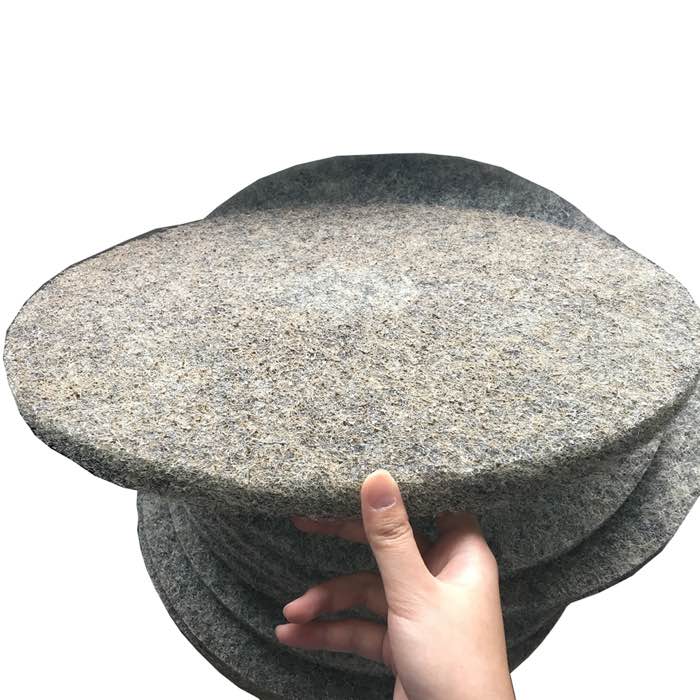
Burnishing is the final step that raises gloss and densifies the surface after resin polishing. Use a burnishing pad (or a wool/puck pad) on the floor machine at higher speed, dry, after the last resin grit and densifier have cured. One to three burnishing passes lift a satin floor toward gloss and even out the sheen.
Use dedicated burnishing pads for concrete floor polishing; they are designed for friction sheen, not for removing scratches.
Run the machine at the speed recommended for the pad (often 1000-1500 rpm). Keep the pad flat, move in overlapping passes, and do not dwell — friction builds heat and can streak. One pass usually shows a sheen lift; two or three passes deepen it. Over-burnishing can overheat and dull the finish, so check gloss between passes.
Standard burnishing pads give a general sheen. Burnishing pads with resin pucks add more contact and a deeper gloss on harder floors. Wool pads are softer and used for final buffing. Choose by floor hardness and the gloss level targeted.
A: No. Resin polishing builds the surface; burnishing adds the final sheen. Burnish after, not instead of, the resin steps.
A: High-traffic commercial floors: monthly to quarterly. Light-traffic floors: annually. It keeps gloss without full re-polishing.
A: Yes — burnishing raises sheen. Skip burnishing if the spec requires matte; stop at the resin grit instead.
Burnish after the resin steps and densifier cure, in overlapping passes at the right speed, and check gloss between passes. JOY TECH supplies standard and resin-puck burnishing pads; tell us your floor hardness and gloss target and we will confirm the right pad.
Written and reviewed by JOY TECH - an SGS & BV audited, CE/RoHS certified diamond tools manufacturer founded in 2004, exporting to 50+ countries.
Our factory and quality management system are audited by SGS and Bureau Veritas. Products meet CE/RoHS requirements and every piece is 100% inspected before packing.
Verified Certificates
