Average response time: under 24 hours
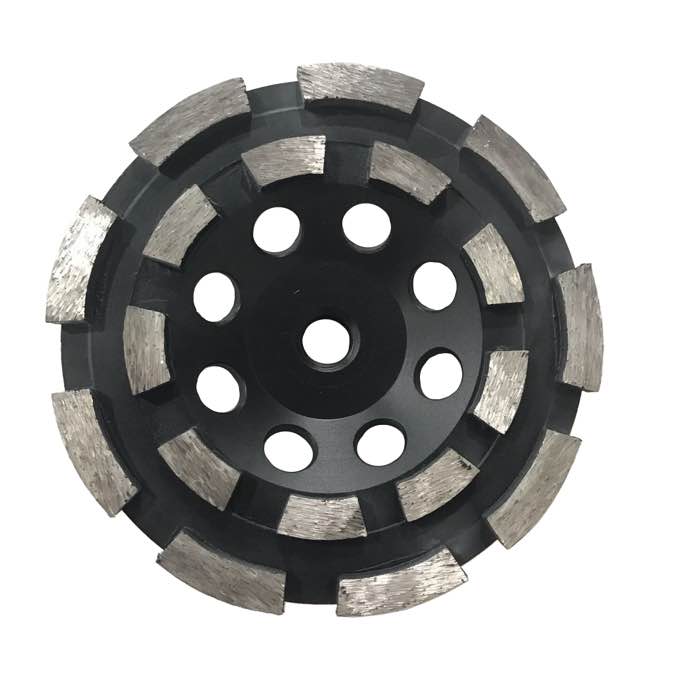
The fastest way to keep indoor concrete grinding dust under control is to combine a shrouded diamond cup wheel or walk-behind grinder with a HEPA-filtered industrial vacuum, and to switch to wet grinding when electricity safety allows. A bare angle grinder throwing silica dust through an occupied building is never acceptable indoors: respirable crystalline silica from concrete can cause permanent lung damage, and most commercial jobs require an exposure-control plan.
Outside, silica dust disperses into the wind and away from workers. Inside a garage, basement, retail space or occupied office, that same dust settles on every surface, travels through HVAC ducts, and stays suspended long after the grinder stops. Indoor grinding is therefore controlled at the source, not by ventilation after the fact.
The standard indoor setup is a dust shroud fitted to your angle grinder or walk-behind machine, connected by a hose to a HEPA industrial vacuum. The shroud surrounds the diamond cup wheel and pulls dust straight into the vacuum before it escapes. This is the most productive dry method and works with our diamond grinding cup wheels, including the popular Diamond Double Row Cup Wheels (JOY-CW-DR).
Wet grinding suppresses silica at the source by keeping the wheel contact zone flooded. It is the cleanest indoor method: almost no airborne dust, cooler tooling, and longer wheel life. The trade-off is slurry — wet concrete paste you must contain, pump out and dispose of as construction waste.
| Setup | Dust capture | Best for |
|---|---|---|
| Dry shroud + HEPA vac | ~90-95% at source | Garages, basements, quick prep work |
| Wet grinding | Almost 100% | Occupied offices, showrooms, retail floors |
| Open dry grinding, no controls | None | Not recommended indoors |
A sharp, correctly bonded diamond wheel throws less dust than a glazed or worn one. Dull segments grind by friction instead of cutting, which generates extra fine powder and heat. Keep spares such as the Diamond Single Row Cup Wheels (JOY-CW-SR) on the truck, swap wheels when they glaze over, and dress the bond regularly so the wheel cuts cleanly and the vacuum captures what is produced.
A: Open doors help dilution, but they do not capture respirable silica. Without a shroud and HEPA vacuum, dust still spreads through the building and exceeds exposure limits on enclosed slabs.
A: No. A respirator protects only the operator; it does not stop dust from contaminating the room or coworkers. Engineering controls (shroud, vacuum, wet grinding) always come first under OSHA silica rules.
A: Just enough to keep the wheel contact zone wet — a thin film, not a flood. Excess water means more slurry to clean up and a longer wait before coatings.
A: Not for silica. Standard vacuums exhaust fine dust straight back into the air. Use an industrial HEPA vacuum designed for concrete grinding, with a filter-cleaning system.
Indoor concrete grinding is controlled at the source: shroud your tooling, pull dust into a HEPA vacuum, and switch to wet grinding when the room must stay spotless. For diamond cup wheels, trapezoid discs and PCD tooling matched to your grinder, contact JOY TECH at [email protected] with your machine and slab conditions.
Written and reviewed by JOY TECH - an SGS & BV audited, CE/RoHS certified diamond tools manufacturer founded in 2004, exporting to 50+ countries.
Our factory and quality management system are audited by SGS and Bureau Veritas. Products meet CE/RoHS requirements and every piece is 100% inspected before packing.
Verified Certificates
