Average response time: under 24 hours
Quick Answer: A dull spot on polished concrete usually means the area was under-polished, contaminated, or has lost its sealer. Clean the spot, re-polish it with the same grit sequence that produced the surrounding finish, and re-seal the repaired area so the sheen blends in.
A dull patch has three common causes:
Cleaning and a water-drop test tell you which one it is. If water soaks in, the sealer is gone; if the spot looks different but sealed, it is likely under-polished.
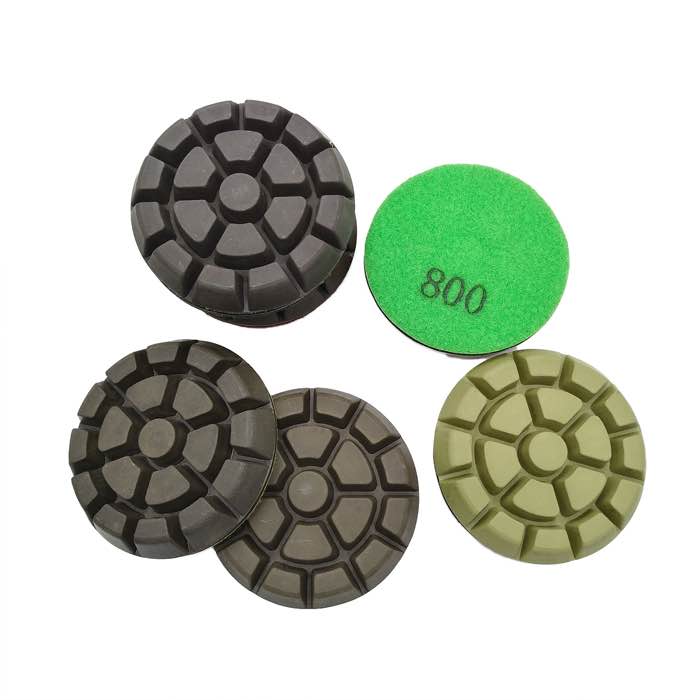
Work the spot outward into the surrounding floor so the transition is invisible. Use resin pads at moderate speed with the same motion as the original polish.
Keep the floor sealed on schedule, clean with neutral products, and use floor mats in high-traffic entries. Dull spots mostly appear where the sealer thins first: doorways, aisles, and food areas. A periodic burnishing pass restores gloss before the dullness sets in.
Under-polished areas, contamination, or worn sealer. Identify which, then re-polish or re-seal the spot.
Yes. Clean, re-polish the spot with the matching grit, and re-seal. Blend the edges for an invisible repair.
Every three to six months in traffic areas, or when the gloss starts to fade. Burnishing restores sheen between re-sealing.
Find the cause, re-polish with the matching grit, and re-seal the patch: that is the dull-spot routine. With resin pads and a maintenance schedule, the floor keeps one even finish from edge to edge.
Written and reviewed by JOY TECH - an SGS & BV audited, CE/RoHS certified diamond tools manufacturer founded in 2004, exporting to 50+ countries.
Our factory and quality management system are audited by SGS and Bureau Veritas. Products meet CE/RoHS requirements and every piece is 100% inspected before packing.
Verified Certificates
