Average response time: under 24 hours
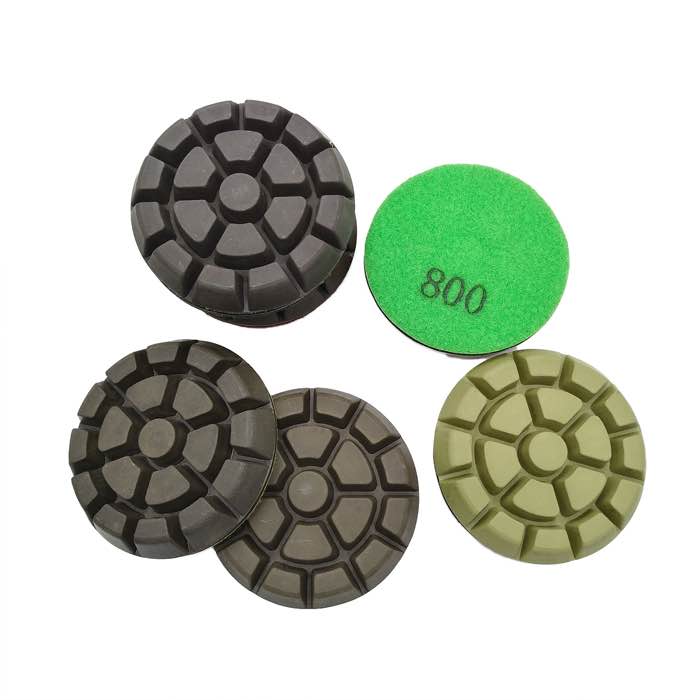
A high-gloss polish on concrete without wax comes from three things: a densifier to harden the surface, fine resin pads taken to 1500-3000 grit, and a final burnishing pass with a clean pad and water. The gloss is a physical property of the hardened, ultra-fine surface — light reflects off it because the scratches are smaller than the wavelength of light, not because anything was applied. Wax and topical coatings give a temporary shine; this polish is permanent and re-glosses with a quick burnish.
Gloss is the ratio of reflected to scattered light. A rough surface scatters light (matte); a surface with scratches finer than light's wavelength reflects it (gloss). Concrete becomes glossy when the final grit leaves scratches that fine. That is why the sequence must reach 1500-3000 grit with clean pads — anything coarser leaves visible scatter. The densifier matters because soft concrete does not polish true: the paste smears instead of cutting clean, and the gloss is patchy. Hardened surface + fine scratches = real, permanent gloss.
Follow the standard progression but with extra attention at the top end:
The 1500-3000 stage is where floors fail: dirty pads drag coarse grit back in, and dwell spots overheat the resin. Wash the floor between grits, change water, and use dedicated clean pads for the last two stages. The full progression is detailed in concrete polishing grit progression.
Burnishing is the last touch that turns a satin floor into a mirror: run the 3000 pad (or a high-speed burnisher with a fine pad) with just water, no pressure, over the whole surface. The water carries the fine slurry that acts as the final abrasive, and the heat of friction polishes the surface. A burnishing pass on an already-polished floor also restores gloss when it dulls — this is the maintenance move, and it needs no wax and no coating.
Use white resin floor polishing pads for the top-end stages — white pads are the finest grit family and produce the mirror step cleanly. Keep the machine speed moderate; high speed on the final pad risks burn marks on the resin.
Sealer is optional for gloss — the gloss is already there from the polish. What sealer adds is stain protection and, for topical film sealers, an extra shine layer. If you want a no-wax, low-maintenance floor, polish to 3000, densify, and skip the topical sealer: the floor keeps its gloss and only needs a damp mop and periodic burnishing. If the floor takes food, oil, or chemical traffic, add a penetrating sealer (no added shine) or a topical one (adds gloss but wears).
Take the top-end passes with 3-inch diamond resin pads for the cleanest mirror step.
Yes. Densify the surface, polish to 1500-3000 grit with clean resin pads, and burnish with water. The gloss is a property of the fine surface, not a coating.
Either the surface was not densified (soft concrete smears), the grits were skipped or dirty (coarse scratches remain), or the top-end passes were rushed. Go back, clean, and complete each grit fully.
3000 grit resin pads, followed by a burnishing pass with water. White resin pads at 3000 produce the cleanest mirror step.
No, not for the gloss — the polish itself is the shine. Sealer adds stain protection and optional extra sheen, but a densified 3000-grit floor holds its gloss with just cleaning and burnishing.
A true high-gloss concrete polish needs no wax: densify the surface, take the resin pads to 3000 with clean technique, and burnish with water. The gloss is permanent because it is the surface itself — scratches too fine to scatter light. Protect it with a sealer where traffic demands, and restore it with a burnish when it dulls. That is a mirror floor that stays a mirror without re-applying anything.
Written and reviewed by JOY TECH - an SGS & BV audited, CE/RoHS certified diamond tools manufacturer founded in 2004, exporting to 50+ countries.
Our factory and quality management system are audited by SGS and Bureau Veritas. Products meet CE/RoHS requirements and every piece is 100% inspected before packing.
Verified Certificates
