Average response time: under 24 hours
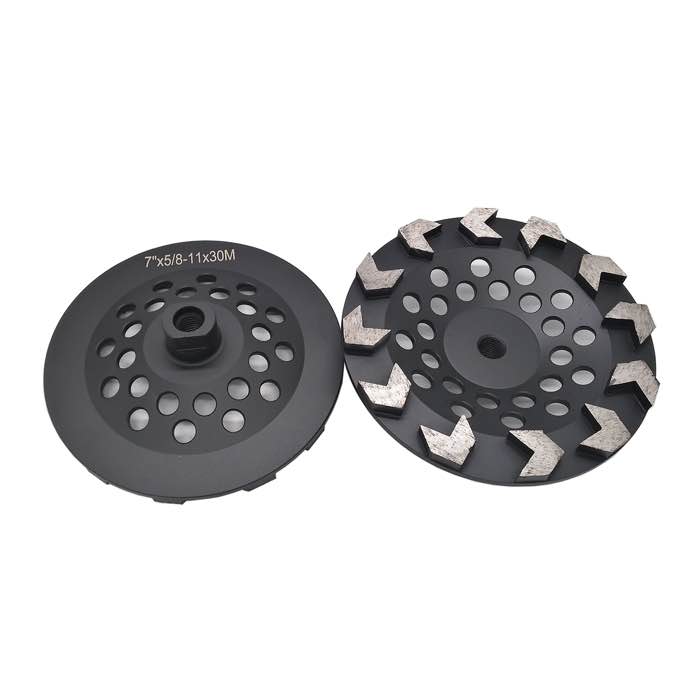
Quick Answer: Grinding a rain-damp floor is possible with wet-rated tooling, but you should let the surface dry or use wet grinding if the slab is just surface-damp. A saturated slab grinds slower, glazes metal bond. single-row cup wheel, and muddies the slurry, so check the moisture level and choose dry or wet tooling accordingly before starting.
A floor that is damp from rain is usually only surface-wet, which evaporates in a few hours of airflow. Grinding a surface-damp floor with dry tooling clogs the pores and glazes the segments because the diamond dust turns to paste in the water film. A saturated slab, where moisture has soaked into the pores, needs full drying or a wet-grinding plan, because no amount of surface drying fixes the dampness inside. Test with a plastic sheet taped down overnight: condensation means the slab is still releasing moisture.
When time allows, dry the floor before grinding. Open doors and windows, run fans and a dehumidifier, and use a floor dryer or squeegee for pooled water. A thin surface film dries in hours; a soaked slab can take days. If the job cannot wait, grind wet with wet-rated tooling and collect the slurry, or skip grinding until the slab is dry and grind with the normal dry setup. Never force dry grinding on a visibly damp floor and expect clean cuts.
For a damp floor that must be ground now, use wet-rated tooling and a water feed so the cutting face stays lubricated instead of clogging. A wet-rated 180 mm cup wheel handles the moisture, and a slurry vacuum keeps the mud off the floor. Metal bond tooling on a floor machine also cuts acceptably wet if you run a consistent feed and flush the slurry; the key is keeping the bond from loading with wet dust. double-row cup wheel.
Walk the floor and look for ponded water, then check the concrete temperature and the air humidity. If the floor is cold and the air is humid, condensation may form faster than it dries, so postpone. Check for mold or mildew on damp slabs before grinding, since grinding spreads spores through the dust. And always verify the next coating or polishing step: a damp slab cannot be coated or densified until the moisture levels pass, whatever the grinding plan.
No, not until it drains and dries. A flooded slab is saturated, and grinding it pushes moisture deeper and clogs every bond. Let it dry fully, then grind normally or use wet tooling on the remaining dampness.
Surface damp dries in hours with airflow; a soaked slab needs days or even weeks depending on thickness and ventilation. Test moisture with a meter or a plastic sheet before grinding.
Dry the floor when you can, grind wet with wet-rated tooling when you cannot, and never force dry tooling on a damp slab. Check the moisture level first, protect the next step, and the grinding stays clean, fast, and clog-free.
Written and reviewed by JOY TECH - an SGS & BV audited, CE/RoHS certified diamond tools manufacturer founded in 2004, exporting to 50+ countries.
Our factory and quality management system are audited by SGS and Bureau Veritas. Products meet CE/RoHS requirements and every piece is 100% inspected before packing.
Verified Certificates
