Average response time: under 24 hours
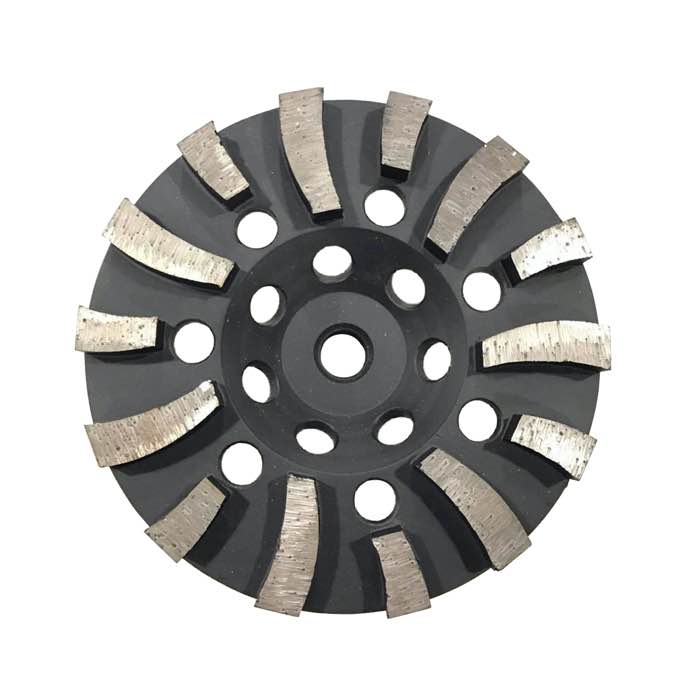
Grind right up to a floor drain by lowering the main grinder to within 50 mm of the cover, then finishing the ring with an angle grinder fitted with a shallow cup wheel such as a hurricane cup wheel. Never run a walk-behind grinder over a drain cover - the torque can lift it, crack the cast iron, or throw the machine. Protect the drain grate with a thin aluminum plate taped down while you grind the rest of the floor, then remove the plate and hand-grind the final 50 mm ring.
Know what kind of drain you are working around. Cast-iron drain bodies are common in industrial buildings; polymer (PVC/ABS) drains are common in commercial kitchens and bathrooms.
| Drain type | Risk | Guard |
|---|---|---|
| Cast iron with cast frame | Cracked frame under grinder weight | Metal plate over cover |
| Polymer floor sink | Melted or scratched plastic | Plastic plug + hand grind only |
| Stainless trench drain | Scratched finish, loose grate | Remove grate, grind, reinstall |
| Floor cleanout plug | Loosened plug, water in basement | Screw plug tight, tape over it |
Walk-behind grinders have a grinding head that extends 30-50 mm past the outermost tool. Never let that outer segment cross the drain edge - you will either hit the frame or drop a trapezoid into the sump. Stop the walk-behind at a 50 mm buffer. Then:
For a kitchen or wash-down area where the floor slopes to the drain, grind the slope last - once the ring is open, water will run the dust toward the sump if you are not careful.
A standard cup wheel is too tall and will bump the drain frame. Use a low-profile cup wheel or a segmented cup wheel with open segments so the diamonds bite concrete without the wheel body touching the metal.
A spiral-segment cup wheel cuts smoothly at the edge and does not grab the way aggressive arrow segments can on a 50 mm ring. For small drains (100 mm square) use a 100 mm cup wheel so you can fit inside the ring without hitting the opposite wall.
For larger warehouse floor work, the main grinder takes a set of trapezoid discs across the slab, and the drain ring is the last 5% of the job done by hand.
No - you will damage the sump walls and never get the dust out. Keep the cover on, protected, and grind around it.
Put a rubber drain plug in before you start polishing. Resin pad slush is the #1 cause of slow drains after a polish job.
Grind the slab up to the frame - do not try to grind the frame down. If the frame is too high, raise the floor around it with a thin overlay after grinding.
Yes - a bead of polyurethane sealant between the new coating and the metal frame prevents water tracking under the coating.
Grinding around floor drains is 90% protection and 10% hand work. Cover the grate, keep a 50 mm buffer with the walk-behind, and finish the ring with a low-profile cup wheel. JOY TECH stocks low-profile cup wheels and trapezoid discs that let you get clean edges around drains without damaging the fixtures.
Written and reviewed by JOY TECH - an SGS & BV audited, CE/RoHS certified diamond tools manufacturer founded in 2004, exporting to 50+ countries.
Our factory and quality management system are audited by SGS and Bureau Veritas. Products meet CE/RoHS requirements and every piece is 100% inspected before packing.
Verified Certificates
