Average response time: under 24 hours
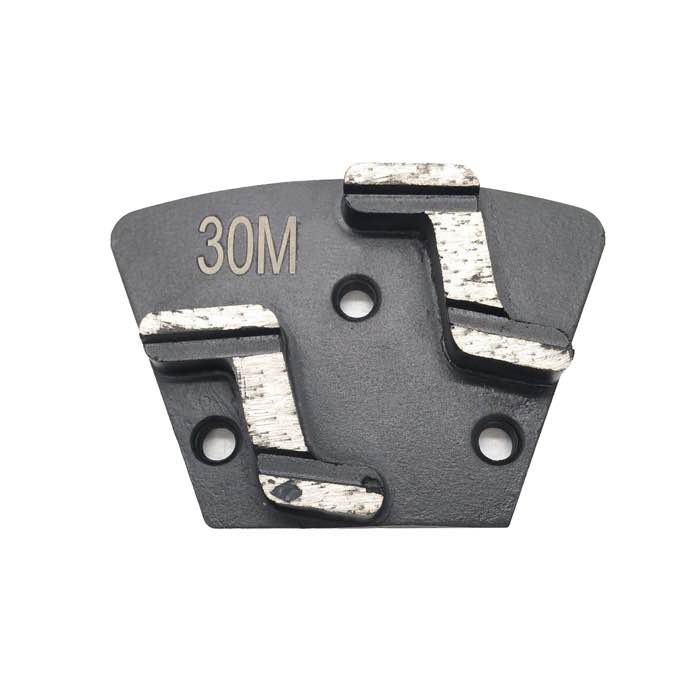
Grinding problems are usually tooling or technique issues rather than defects in the concrete. Rake marks (also called chatter lines or washboard streaks) are caused by the grinder bouncing or skipping across the floor, in most cases from worn bearings, a too-aggressive bond, incorrect pressure, or a warped plate. Fix the equipment, soften the bond, and abrade flatter and slower.
For machine-matched tooling, browse our 3'' Metal Bond Diamond Grinding Disc with 4 Segments range.What you should know before starting.
Fresh, sharp metal-bond discs like our double-S segment discs cut smoothly; old, glazed discs chatter.
Contractors who skip this stage usually end up redoing the floor.
The key points in practice.
This is where most crews get it right - or lose time.
A closer look at the details.
Browse the full range in our concrete abrading discs category.
Getting this part right saves a full re-pass later.
A: The practical answer is, Sometimes, if they are shallow. Deep rakes require a coarser pass first. Trying to burnish them out in most cases wastes a pad set.
A: For most jobs, Mostly the equipment or tooling. A well-tuned grinder on good tooling should not leave rakes.
A: In short, In most cases a single coarser pass across the affected area, then stage back through the grit stage sequence.
Looking for the right tool? Check our 3'' Metal Bond Diamond Grinding Disc with 10 Segments. Looking for the right tool? Check our 3'' Metal Bond Diamond Grinding Disc with 5 Segments.The fix is usually straightforward once the bond and machine are matched to the slab. Rakes are a tooling or equipment issue, not a concrete issue.
Written and reviewed by JOY TECH - an SGS & BV audited, CE/RoHS certified diamond tools manufacturer founded in 2004, exporting to 50+ countries.
Our factory and quality management system are audited by SGS and Bureau Veritas. Products meet CE/RoHS requirements and every piece is 100% inspected before packing.
Verified Certificates
