Average response time: under 24 hours
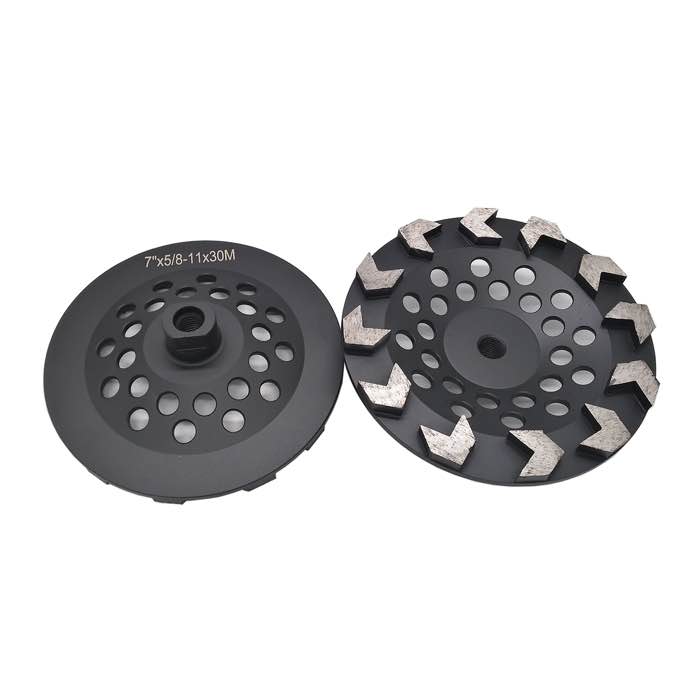
Quick Answer: To grind a concrete wall, remove old coatings or level uneven plaster, use a 4.5- or 7-inch angle grinder with a cup wheel for concrete and a flap disc or scarifier for plaster. Work from coarse to fine, feather the edges of each patch, and finish with a light pass over the whole wall for an even surface.
Plaster is softer than concrete, so switch tooling when you cross from one material to the other: a concrete wheel chews through plaster and leaves deep grooves.
Let the grinder rest against the wall with steady pressure. Pushing into the wall stalls the motor; pulling away leaves waviness.
Wall grinding dumps dust straight down into your face. Use a shrouded grinder with a HEPA vacuum, a respirator, and goggles. On plaster, the dust is alkaline and irritates skin, so gloves and long sleeves are worth wearing.
When you level a patch or remove a coating, the edge between worked and unworked wall is the visible fault line. Feather it by letting the wheel ride at a lower angle across the edge for the final pass, and always follow with a full-wall medium pass to blend everything together.
Yes, with PCD tooling or a coarse cup wheel. Work dry with a shroud and follow with a light pass to clean the residue.
A cup wheel or flap disc at low angle removes plaster quickly. Scrape loose sections first, then grind the residue flat.
Keep the wheel flat, use overlapping passes, and switch to a finer disc for the final pass. Tilting the grinder digs grooves.
Choose the tool for the material, grind flat in overlapping rows, and feather every edge. With a diamond cup wheel and a consistent pattern, walls come out flat, clean, and ready to coat.
Written and reviewed by JOY TECH - an SGS & BV audited, CE/RoHS certified diamond tools manufacturer founded in 2004, exporting to 50+ countries.
Our factory and quality management system are audited by SGS and Bureau Veritas. Products meet CE/RoHS requirements and every piece is 100% inspected before packing.
Verified Certificates
