Average response time: under 24 hours
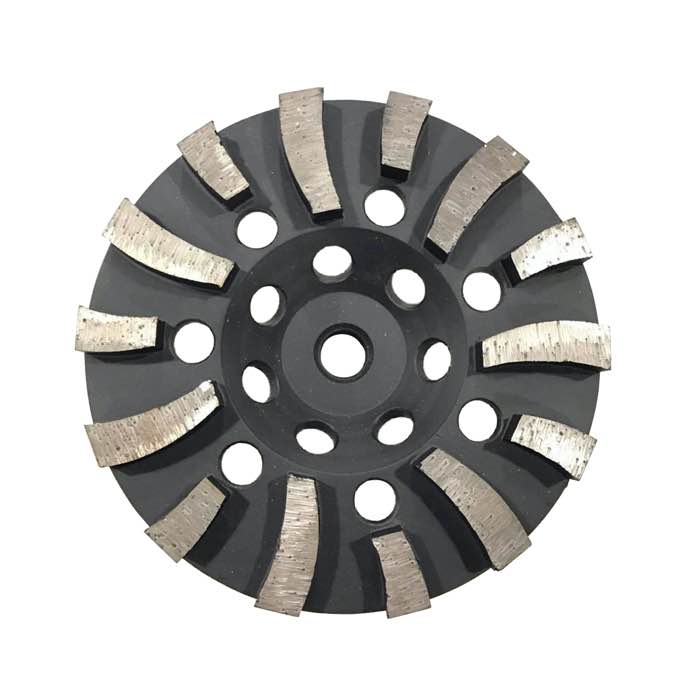
Yes, you can wet-grind concrete inside a building without flooding the site - provided you contain the slurry, control water flow, and pump it out. Wet grinding uses 50-150 ml of water per minute per head, routed through a shroud or a water-fed cup wheel such as a 12-arrow-segment cup wheel, and the resulting slurry is swept or pumped into a containment sump. It is the right method when dust collection is impossible, when neighbors complain about dust, or when you need to finish adjacent to occupied offices. Plan for 24-48 h of drying time before coatings.
Dry grinding needs a HEPA dust collector moving 2000+ cfm. In an occupied building, on an upper floor, or in a space with no power for a collector, wet grinding is the practical alternative.
Slurry is the real problem, not water. Before you start the machine:
| Zone | Setup | Purpose |
|---|---|---|
| Work area | Foam weather-strip barrier across doorways | Stops slurry spreading |
| Floor | Plastic sheeting taped to slab | Catch drips outside footprint |
| Sump | 20 L bucket with submersible pump | Collect pumped slurry |
| Drain | Never drain to sewer without filtering | Concrete slurry blocks drains |
| Exit path | Plastic + absorbent rolls | Keep boots clean to other rooms |
Dispose of slurry at a licensed concrete waste point. Do not hose it into the yard - alkaline slurry kills grass and clogs storm drains.
Too much water floats the machine and stops cutting. Too little water dries into a cement paste that glazes the diamond. Target 50-100 ml/min per grinding head.
Use segments designed for wet cutting - arrow segments or bar segments on a trapezoid such as the triple-round trapezoid disc clear slurry faster than round buttons under water. For hand grinders, a water-fed cup wheel with open segments sheds slurry efficiently. Run the machine at normal speed; do not push down extra hard - wet grinding cuts by pressure, not speed.
Wet-grinded concrete looks dry on top but holds 3-5% moisture in the slab. Coatings applied too early blister and delaminate.
Run fans and dehumidifiers. Opening windows speeds drying but blows dust onto the wet floor - balance airflow carefully.
A: Only if the machine has a water shroud and the motor is rated for wet work. Most electric floor grinders need a water kit and GFCI protection. Consult the manual before adding water.
No - wet grinding at 30/40 gives the same CSP profile. The difference is you must dry the floor fully before resin polishing; wet polishing is a separate workflow.
About 20-30 L of slurry at 0.1 mm removal. Plan containment and pumping accordingly.
Yes - it is actually recommended, because dry grinding can overheat and damage PEX pipes close to the surface. Keep water flow steady and avoid dwelling in one spot.
Wet grinding indoors is a containment project as much as a grinding project. Get the slurry setup right before the machine turns on, match the tooling to wet cutting, and wait for the slab to dry before coating. JOY TECH supplies wet-capable trapezoid discs and cup wheels for indoor jobs where dust is not an option.
Written and reviewed by JOY TECH - an SGS & BV audited, CE/RoHS certified diamond tools manufacturer founded in 2004, exporting to 50+ countries.
Our factory and quality management system are audited by SGS and Bureau Veritas. Products meet CE/RoHS requirements and every piece is 100% inspected before packing.
Verified Certificates
