Average response time: under 24 hours
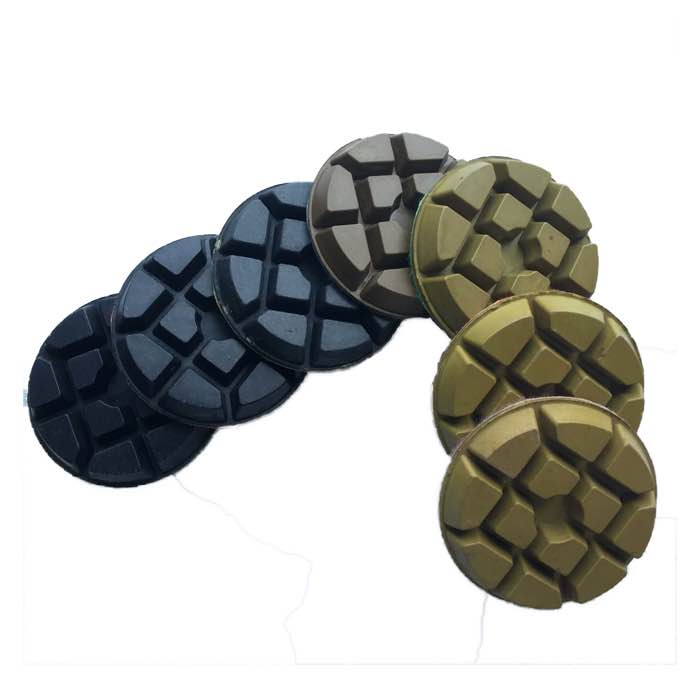
Maintain polished concrete with a daily routine: dust mop or vacuum to remove grit, clean with a neutral pH cleaner diluted in water, and burnish periodically with a white pad to restore the gloss. Never use acidic cleaners, vinegar or harsh chemicals, which etch the surface. Protect the floor from grit by using entry mats, and re-polish or re-seal on a schedule based on traffic. The routine is simple, but it must be consistent: grit is the enemy, neutral cleaner is the friend. For the right tooling on this job, see white resin finishing pads.
Dust mop or vacuum every day, because grit and sand act like sandpaper under foot traffic and dull the floor. For mopping, use a neutral pH concrete cleaner, typically 1 to 2 ounces per gallon of water, with a microfiber mop. Rinse with clean water if the label says so, and dry the floor with a clean mop or auto-scrubber. Never use vinegar, bleach, citrus or acidic cleaners: they etch polished concrete and leave dull spots. Related tooling is available in our 8-triangle resin pads range.
Most damage to polished concrete comes from dirt and grit being walked in from outside. The fix is entry mats at every door, ideally two layers, and sweeping or vacuuming more often in high-traffic zones. Grit under chair wheels, cart wheels and shoes scratches the polish and dulls the surface. Once the micro-surface is scratched, the floor loses its sheen and needs burnishing to restore it. Mats and daily dust mopping prevent most of that damage.
Even with good care, polished concrete dulls with traffic. Restore the gloss by burnishing with a white or natural polishing pad on a floor machine, with or without a spray of neutral burnishing compound. Burnish weekly in high-traffic areas and monthly in low-traffic ones. If the floor dulls unevenly, burnish the dull zones only. Burnishing restores the sheen without adding a coating, and it is the main maintenance act for polished concrete. Use fine resin pads or a white pad for this.
Place pads under furniture, use felt glides and casters rated for hard floors, and never drag heavy equipment. Wipe spills promptly, especially oil and wine, before they stain. If the floor does get a stain, clean it with a concrete-specific cleaner and, if needed, a poultice. For scratches too deep for burnishing, re-polish the spot with a fine diamond pad. Re-seal on the schedule the sealer requires if the floor has a topical sealer.
A> No. Vinegar is acidic and etches polished concrete, leaving dull spots. Use a neutral pH cleaner designed for concrete.
A: Weekly in high-traffic commercial areas, monthly in residential or low-traffic floors. Adjust based on how the sheen looks.
A: No. Wax builds a film that dulls and traps dirt. Maintain with neutral cleaner and burnishing, not wax.
Polished concrete maintenance is a simple, consistent routine: keep grit out with mats, dust mop daily, clean with neutral pH products, and burnish on a schedule. Avoid acids and wax, protect the surface, and re-polish damage promptly. Follow that routine and a polished concrete floor keeps its shine and durability for decades.
Written and reviewed by JOY TECH - an SGS & BV audited, CE/RoHS certified diamond tools manufacturer founded in 2004, exporting to 50+ countries.
Our factory and quality management system are audited by SGS and Bureau Veritas. Products meet CE/RoHS requirements and every piece is 100% inspected before packing.
Verified Certificates
