Average response time: under 24 hours
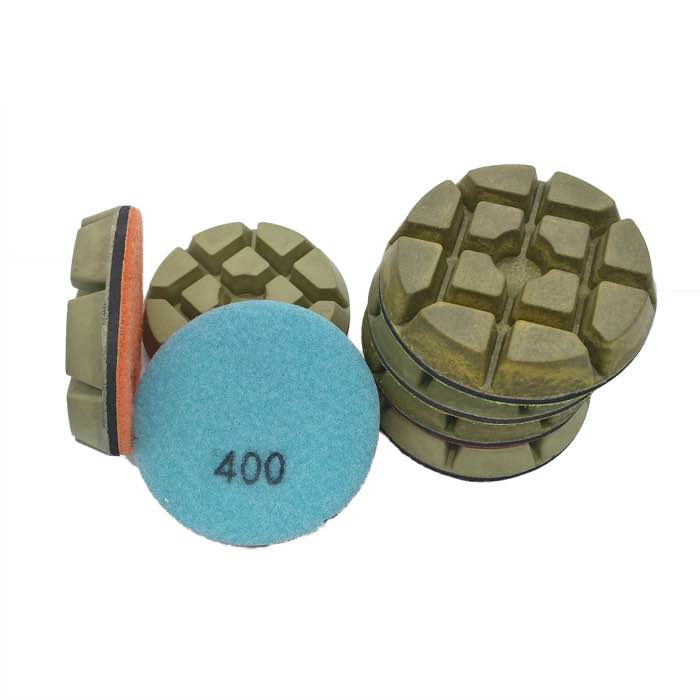
Polish concrete with a single-disc machine by working through the full grit sequence on the diamond resin polishing pads, starting coarse and moving to fine, with a dry HEPA vacuum or wet slurry system. Move the machine in overlapping passes, keep the pad flat, and change pads between grits. Single-disc machines work well on small and medium floors and edges, but are slower than planetary machines on large areas and leave less even pressure across the pad.
A single-disc floor machine with a 175 mm or 400-500 mm pad plate works for polishing, with the right weight and speed. Heavy machines (50 kg+) with variable speed are best; light machines bounce and cut unevenly. Use diamond resin polishing pads with a hook-and-loop backing, matched to the machine's plate. For grinding the initial steps on rough concrete you may need metal-bond discs first, then switch to resin pads. Check the machine's pad size before buying pads so the hook-and-loop matches.
Polish in a sequence that increases grit and reduces scratches: typically 50, 100, 200, 400, 800, 1500, 3000 grit equivalents, stopping at the gloss you want. Each step must fully remove the scratches from the previous step; cutting corners here shows up as hazing. Start with metal bond for the concrete grinding stages, then switch to resin pads for the polishing steps. Vacuum the floor between every grit change so loose diamonds do not scratch the next finer finish.
| Stage | Pad / grit | Goal |
|---|---|---|
| Grind | Metal bond 30-120 | Level and open surface |
| Hone | Resin 100-400 | Remove scratches |
| Polish | Resin 800-1500 | Build sheen |
| Burnish | Resin 3000 + | High gloss |
Work in overlapping passes, typically half-pad overlaps, and change direction between passes (north-south, then east-west) so the finish is even. Keep the machine moving while the pad is down; dwelling burns the pad and leaves a ring. Let the machine's weight carry the pad; do not press down on the handle. On a single-disc machine, the outer edge of the pad cuts more than the centre, so avoid small circular scrubbing motions that concentrate wear in one spot. Check the gloss in raking light as you go.
Dry polishing with a single-disc machine is common: fit a dust shroud and HEPA vacuum, work in passes, and vacuum between grits. It is clean, fast to set up, and suits small jobs. Wet polishing with a water feed keeps pads cool and gives a cleaner cut on dense concrete, but requires slurry collection and a water supply. Many operators dry-hone and wet-polish the final steps for a deeper gloss. Whichever mode, wear an N95 or better respirator for dry work and protect the surroundings.
After the final gloss pass, vacuum thoroughly and inspect in raking light for hazing; if you see swirls, go back one grit and repeat. Apply densifier at the correct stage (usually after the 200-400 grit steps) and finish with sealer if specified. Clean the pads after use: rinse resin pads and let them dry, and store them flat. Check the pad plate for debris and the machine for dust build-up after the job. A single-disc machine with a good pad sequence produces a professional finish on floors that are not too large.
For an even gloss, work through diamond resin polishing pads in the correct grit sequence.
Keep resin floor polishing pads on hand so the finish stages of the floor stay consistent.
Written and reviewed by JOY TECH - an SGS & BV audited, CE/RoHS certified diamond tools manufacturer founded in 2004, exporting to 50+ countries.
Our factory and quality management system are audited by SGS and Bureau Veritas. Products meet CE/RoHS requirements and every piece is 100% inspected before packing.
Verified Certificates
