Average response time: under 24 hours
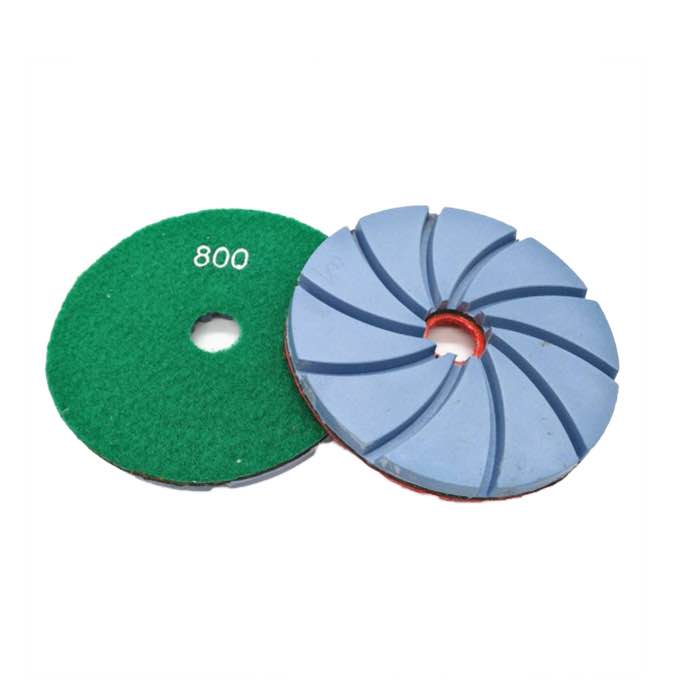
Identify the stain type first: oil and grease need a solvent or alkaline degreaser, organic stains like coffee need an oxidizing poultice, rust needs an acid-based rust remover, and unknown surface films should be tested on a small area. Work from mildest to strongest, blot instead of scrub, and if the stain is deeper than the surface, grind it out with a fine diamond pad and re-polish the spot.
Soak up fresh oil with absorbent material first. For set-in oil:
For coffee, tea, and wine, mix a poultice of oxygen bleach (sodium percarbonate) with a little water to form a paste, spread it over the stain, cover with plastic, and leave overnight. For rust, use a dedicated rust remover formulated for concrete, apply with a brush, dwell, then rinse thoroughly and neutralize if the label requires it.
If the stain has soaked deep into the pore structure, surface cleaning will not remove it. Grind the area with a fine diamond resin polishing pad (100-200 grit), then re-polish the spot with the same grit sequence used on the floor so the sheen matches. Blend the repair area with the surrounding floor and burnish with a burnishing pad.
A: Household chlorine bleach is not effective on most concrete stains and can discolor the surface. Use oxygen bleach for organics or a dedicated rust remover for rust instead.
A: Vinegar is mildly acidic and can dull a polished or sealed surface. Use pH-neutral cleaners first, and reserve acids for rust where they are needed.
A: The stain is trapped under the film. Strip the topical sealer in that area with a sealer stripper, treat the stain, then recoat the spot to match.
A: If the stain is not fully removed from the pore structure, it can wick back to the surface. Repeat the treatment or grind deeper, and consider a penetrating densifier to close the pores.
Match the remover to the stain type, use dwell time instead of aggressive scrubbing, and reserve grinding for deep stains. A well-densified floor is easier to keep clean — treat spills fast, blot, and use pH-neutral maintenance cleaners.
Written and reviewed by JOY TECH - an SGS & BV audited, CE/RoHS certified diamond tools manufacturer founded in 2004, exporting to 50+ countries.
Our factory and quality management system are audited by SGS and Bureau Veritas. Products meet CE/RoHS requirements and every piece is 100% inspected before packing.
Verified Certificates
