Average response time: under 24 hours
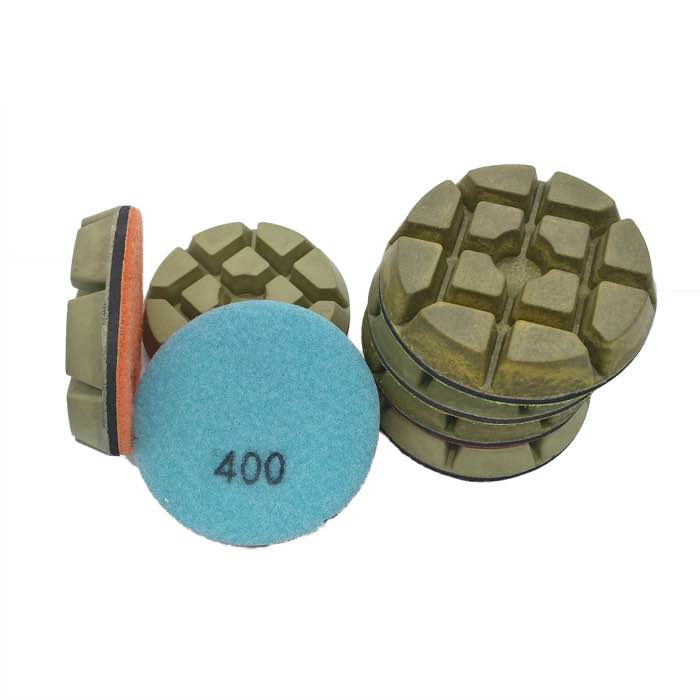
Specify a matt finish when the space is a warehouse, hospital, school or busy retail corridor where glare, dust visibility and scratch tolerance matter. Specify a high-gloss finish for showrooms, lobbies and feature floors where the slab is the design element. Matt concrete stops at roughly 400 to 800 grit and reads below 30 gloss units at 60 degrees; gloss concrete continues through 1500 to 3000 grit and burnishes above 70 gloss units. The choice affects not just looks, but cleaning frequency, slip risk and how often the floor needs rework.
A honed or matt floor is ground flat and refined through 400 or 800 grit resin pads, then sealed. It has a soft, low-sheen reflection that reads as a uniform architectural surface rather than a mirror. Aggregate is partially opened but not floating in a sea of paste. This level hides small trowel marks, minor colour variation and everyday scuffs, which is why it is the default for functional spaces.
A polished or gloss floor continues past 800 grit into 1500, 3000 and sometimes 6000 grit resin, and is then burnished. At that level the surface reflects overhead lights as long, clear strips, and aggregate sits in a highly reflective paste matrix. The look is striking but unforgiving: every footprint, every dropped trolley wheel mark and every thin scratch becomes visible under the lights.
Stop arguing about words and specify gloss units at 60 degrees with a handheld gloss meter. A matt floor sits at 10 to 30 GU, a satin floor at 30 to 50 GU, and a high-gloss floor above 70 GU. Ask the contractor to commit to a range on the drawing and to show a sealed sample panel at the same grit progression you will pay for, not at a showroom display floor that has been burnished for ten years. A "polished concrete floor" written without a number is an invitation for a cheaper, duller finish than you imagined, because the contractor can stop at 400 grit and still call it polished.
Write the finish clause so there is no argument at handover:
Warehouses, production halls and schools should be matt: they hide scuffs, reduce glare under long LED panels, and read clean even between washes. They also show less dust between cleaning cycles, which matters in retail spaces swept once a day, cutting janitorial labour without compromising the look. Hospitals and labs usually call for a satin 800-grit finish, which is easy to wipe down without the mirror reflections that make cleaning chemicals visible on film. Showrooms, hotel lobbies and feature retail walls earn the high-gloss finish, but the client must accept the maintenance schedule that goes with it, including weekly burnishing and strict walk-off mat zones. Garages and workshops are almost never a good fit for gloss, because oil drips and tyre marks show up immediately on the reflective paste.
Architects often ask for "mirror finish" on a warehouse, then complain when forklift scuffs show up every week. A high-gloss floor needs weekly burnishing and a strict walk-off mat programme at the doors. If the client will not pay for that, step the finish down to satin before the job starts.
The opposite mistake is asking for "polished" without a number and getting a dull, patchy result. A floor stopped at 200 grit looks raw, not matt. Resin pads like JOY-RFP-01 are the workhorse at 400 and 800 grit; ask the contractor which grit they actually stopped at, and verify with a gloss meter on site.
Matt floors are re-refinished with a light 400-grit pass every three to five years. Gloss floors need more frequent burnishing with JOY-RFP-02 resin pads to recover the shine, and a full re-polish every five to seven years in high-traffic zones. When repairs are unavoidable, copper-bond transitional pads JOY-RFP-C2 blend patched areas back into the surrounding finish without leaving a visible ring. Budget this into the lifecycle cost, not just the install quote.
Choose matt when the floor has to perform quietly under heavy use, and choose gloss when the floor has to be seen. Either way, specify grit and gloss units, not adjectives. The right finish is the one the client can actually maintain for the next ten years, not the one that photographs best on day one.
Written and reviewed by JOY TECH - an SGS & BV audited, CE/RoHS certified diamond tools manufacturer founded in 2004, exporting to 50+ countries.
Our factory and quality management system are audited by SGS and Bureau Veritas. Products meet CE/RoHS requirements and every piece is 100% inspected before packing.
Verified Certificates
