Average response time: under 24 hours
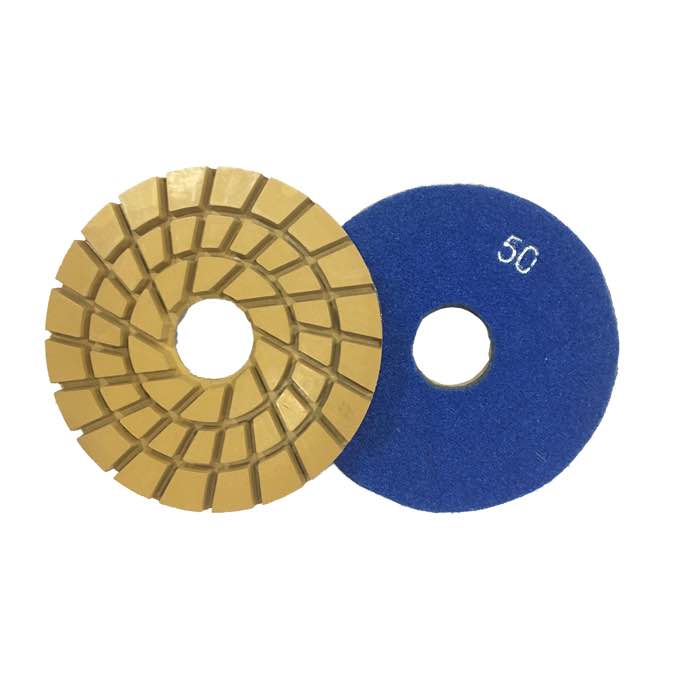
Polished concrete works in +5 °C chilled rooms and -25 °C freezer rooms, but the finish is not the same as a showroom floor. Chilled rooms take a standard 400–800-grit polish with lithium densifier. Freezer rooms should stop at 200–400-grit honed (DCOF ≥ 0.50 wet), use a penetrating sodium or lithium densifier (never acrylic film), and get polyurea joint filler in every control joint. Expect densifier cure times to stretch from 30 min at 20 °C to 3–6 hours at 0 °C, and pad life to drop 30–40 % because resin hardens in the cold.
The priority is a densified, low-porosity surface — not mirror gloss.
| Zone | Temperature | Finish | Densifier | Joint filler |
|---|---|---|---|---|
| Loading dock | +5 to +15 °C | 200 grit, anti-slip | Lithium | Polyurea |
| Chilled storage | +2 to +6 °C | 400–800 grit | Lithium | Polyurea |
| Freezer storage | -18 to -25 °C | 200–400 grit, honed | Sodium or lithium | Polyurea, deep fill |
| Shock/pack corridor | -5 to +10 °C | 400 grit, anti-slip additive | Lithium, double coat | Polyurea |
Acrylic or urethane sealer films fail in cold rooms within 12–24 months because the freeze-thaw cycle delaminates them. Lithium densifier reacts with free lime in the paste to form CSH in the top 2–4 mm, creating a barrier that keeps moisture out. In freezer rooms, a sodium-silicate densifier is sometimes preferred because it penetrates deeper and gives a harder subsurface. Coverage: 4–6 m²/L. Apply two coats at 0 °C or below.
Keep spiral resin polishing pads in a heated truck until the moment they mount — cold resin pads glaze and stop cutting.
Control joints in a freezer floor are a primary leak path. Use polyurea joint filler (not caulk) at 10 mm depth in every joint between bays. Polyurea cures in 30–60 min at 0 °C and stays flexible down to -40 °C. Standard polyurethane caulk cracks at the freeze line and lets meltwater enter the slab base.
A: The slab cracks from freeze-thaw of water in joints and pores. Densified, joint-filled polished concrete outperforms sealed concrete because there is no film to delaminate.
A: Epoxy fails within 2–4 years in freezer rooms from thermal shock. Polished/densified concrete lasts 10+ years.
Use a neutral pH cleaner and a rotary scrubber. Avoid hot water inside the freezer — it freezes immediately on contact.
Use epoxy or polyurea striping tape applied after the final burnish, not inlaid paint. Paint in a freezer peels within months.
| System | Install cost/m² | Service interval | 10-year lifecycle |
|---|---|---|---|
| Epoxy self-leveling | €40–60 | Recoat every 3–5 years | €100–140 |
| Urethane cement | €70–100 | Patch every 5–8 years | €110–150 |
| Polished + densifier | €30–45 | Burnish annually, joint check | €40–55 |
For a 2,000 m² freezer, the lifecycle gap is roughly €100,000 — which is why third-party logistics operators increasingly specify densified polished concrete.
The 5 m around every cold-room door sees the worst condensation and thermal swing. Specify a 400-grit anti-slip finish here, not a high-gloss polish. Add a polyurea cove at the wall-floor junction so meltwater cannot track under the wall. Burnish the door zone quarterly with a Fenix-style pad to control scuffing from forklift tires.
Cold storage and freezer rooms reward practical, densified, honed finishes. Stop at 200–400 grit in freezers, choose penetrating densifier, and fill every joint with polyurea. Keep pad stock warm, budget slower production, and use a white resin pad for the final 800-grit step in chilled zones where you still want some sheen.
Written and reviewed by JOY TECH - an SGS & BV audited, CE/RoHS certified diamond tools manufacturer founded in 2004, exporting to 50+ countries.
Our factory and quality management system are audited by SGS and Bureau Veritas. Products meet CE/RoHS requirements and every piece is 100% inspected before packing.
Verified Certificates
