Average response time: under 24 hours
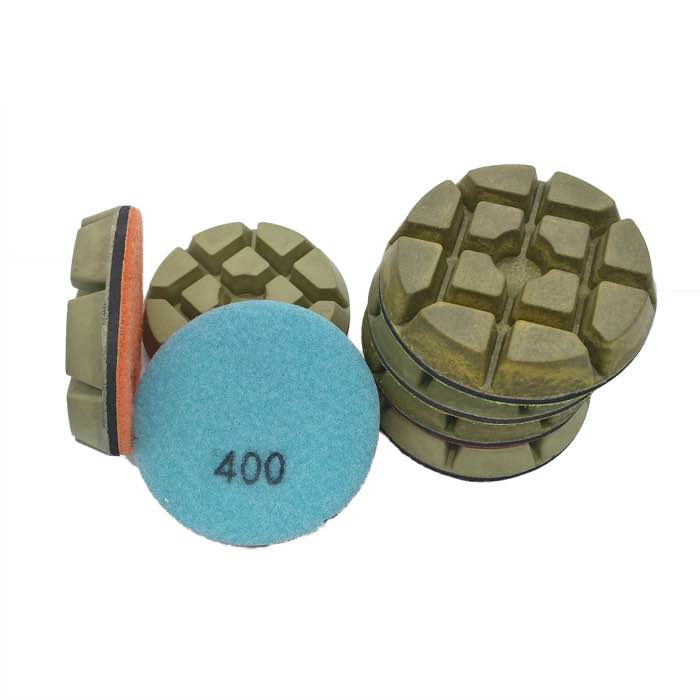
Polished concrete costs 3 to 12 USD per square foot installed. Budget 3 to 6 USD for a basic 400-grit warehouse finish, 6 to 9 USD for an 800 or 1500-grit commercial finish, and 9 to 12 USD for a dyed, dense, mirror 3000-grit showroom finish. The biggest price drivers are slab condition, aggregate exposure level, number of grit steps, joint filling, and dye. A new slab costs less than re-polishing an old floor because the surface is already flat.
These numbers include labor, tooling, densifier, and equipment. They do not include new slab installation, which adds 4 to 8 USD per square foot if the slab is not already there. Prices swing by region: labor costs in North America run 30 percent above the national average in coastal metros. Weekend or night work for operating businesses adds a 15 to 25 percent premium, because crews cannot run machines during opening hours.
A new, flat, cured slab polishes fast. An old slab with cracks, spalls, and glue residue needs grinding and repair first, adding 1 to 3 USD per square foot. A slab that needs shot blasting or adhesive removal can double the cost. Walk the slab before quoting and flag past coatings.
Polishing to cream or fine aggregate exposure uses fewer metal-bond passes and is cheaper. Polishing to expose large river rock requires 30, 15, and even 6 grit metal passes, which wears tooling fast and adds 2 to 4 USD per square foot. Exposed aggregate also needs more joint filling around the bigger stones.
Each grit step is labor. A 5-step job costs less than a 9-step job. The JOY-RFP-01 resin pads are workhorse consumables; on a 5,000 m² floor, pad cost alone runs several thousand dollars and shows up in the per-square-foot price.
Crack injection, joint saw-cutting, and polyurea or epoxy filler run 1.5 to 6 USD per linear meter. A 10,000 square foot warehouse with 200 linear meters of joints adds 3,000 to 12,000 USD to the job. Polyurea is faster to install but more expensive per meter; epoxy is cheaper but needs overnight cure.
Acid stains, dyes, and scoring patterns add artistry. Full-floor dye adds 2 to 5 USD per square foot; saw-cut patterns and logos add labor on top. Stained floors also need a densifier coat after dyeing, which is another half step.
Re-polishing an old floor means removing coatings, mastic, glue, and tire marks before you can even open the surface. PCD tooling eats coatings fast but wears out. The JOY-RFP-02 resin pads used for the final steps are the same either way, but the prep stage can double the labor. Expect re-polish to run 20 to 40 percent higher than a new slab.
A bid based on floor size alone is always wrong. Slabs have moisture, cracks, and past coatings that only an on-site walk reveals. Inspect before quoting.
Edges take 15 to 25 percent of total job time. Bids that price only the open floor under-quote by that margin. Add a line item for edging so the customer sees it before signing.
The floor looks great on day one. It goes dull in 2 years if the owner does not burnish. Build the maintenance contract into the proposal, or the owner will call another contractor to fix your work. For a detailed quote for your slab, send dimensions and photos through contact us.
Compare polished concrete against other floors over 10 years. VCT costs 3 to 5 USD per square foot installed plus annual strip-and-wax at 4 to 6 USD per square meter. Epoxy costs 4 to 8 USD per square foot plus recoat at 5 years. Polished concrete costs 6 to 12 USD per square foot plus annual maintenance at 1.5 to 3 USD per square meter. Over a decade, polished concrete is the cheapest floor per square foot in most commercial buildings, because it never needs recoating.
Polished concrete pricing is not a single number. It is a function of slab condition, exposure, grit steps, joints, and color. Get three on-site quotes, compare them line by line, and reject any bid that cannot show a local reference floor at the same finish level. The cheapest bid rarely includes edge work or joint filling, and that gap shows up in change orders. Ask each bidder for the maintenance plan they will hand over at final walk; a floor with no plan is a floor someone else will have to re-polish in two years.
Written and reviewed by JOY TECH - an SGS & BV audited, CE/RoHS certified diamond tools manufacturer founded in 2004, exporting to 50+ countries.
Our factory and quality management system are audited by SGS and Bureau Veritas. Products meet CE/RoHS requirements and every piece is 100% inspected before packing.
Verified Certificates
