Average response time: under 24 hours
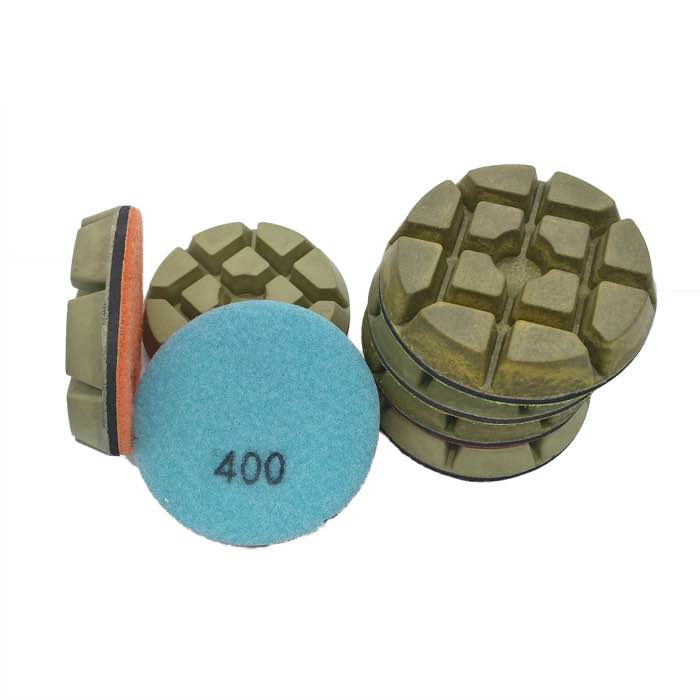
Do not walk straight in and start grinding. First pump the water out, let the slab dry to below 4 percent moisture content (typically two to four weeks of active dehumidification), and test the surface pH. Once dry, sweep off white efflorescence, strip the old sealer, lightly re-grind through 200 to 400 grit, re-densify, and re-seal. Jumping straight to a new sealer over a damp, salty floor is the most common and most expensive mistake, because it traps moisture under the film and causes peeling within months.
Flood water carries dissolved salts from soil, road runoff and sewerage. As the slab dries, those salts migrate to the surface and crystallise as a white, powdery bloom called efflorescence. Under the old sealer the salts still migrate, but now they are stuck under the film, pushing it off from below. Even clean rainwater can pull calcium hydroxide out of the cement paste and leave the same bloom. The bloom is more than cosmetic: each crystal grows under the sealer film and pushes it away from the paste, so the sealer starts to blister within weeks of the water receding.
A sealed polished floor is designed to sit on a dry slab. When the water table rises or the slab soaks up flood water from below, vapour pressure pushes against the sealer film. The sealer blisters, turns cloudy, and peels in large sheets. The paste underneath may also soften slightly, and the high-gloss shine becomes a dull, blotchy haze that buffing will not fix.
Follow this order; cutting a step usually costs a second visit later.
If the floor was sealed with a penetrating densifier and the flood was shallow and clean, you may be able to skip the strip. Test a 1 m² corner near the worst water line: scrub with neutral cleaner, rinse, dry for 48 hours, and inspect. If the old shine comes back without a hazy film or a white bloom, a fresh coat of the same penetrating sealer is enough. If the film sealer is blistered or flaking anywhere, strip the whole area; patching around blisters leaves a permanent outline that shows under every light angle. If the flood carried sewerage, also apply a biocidal wash before the densifier, because organic residues under the sealer cause dark stains that never come out. Ventilate the room during this wash, because the fumes are stronger on a recently submerged slab. Once ventilated, the room is safe to re-enter within the hour, and the floor can be walked on immediately.
The worst mistake is re-sealing a slab that is still wet. A new film over a damp slab traps vapour, and the sealer will peel within weeks. Wait for the moisture reading, even if the client is pushing to reopen the shop. A week of extra drying is cheaper than stripping a fresh sealer.
Flooded concrete is often highly alkaline, and acid-based cleaners or tinted epoxies react badly on a fresh, salty surface. Test the surface pH before choosing a sealer; a reading above 10 usually means a neutralising wash is needed first. Resin pads such as JOY-RFP-01 are the right tool for the light re-grind after the slab is dry, because they cut the hazy film without removing too much paste.
Budget for roughly two to four weeks of drying, plus three to five working days of restoration for a 200 m² retail floor. The drying period is the long pole in the tent; the grinding and sealing itself is fast. Use white resin polishing pads like JOY-RFP-04 for the final refinement so the restored area does not read darker than the surrounding floor. For patchy repairs around furniture legs and corners, copper-bond transitional pads JOY-RFP-C2 blend the transition without leaving a visible disc mark.
Flood damage on polished concrete is recoverable, but only if you respect the slab. Dry it properly, strip the contaminated sealer, re-grind and re-seal. Rushing any of those steps turns a one-week fix into a repeat visit within a season. Treat the moisture meter as the gate: until it says below 4 percent, do not seal. Photograph each stage, because insurers and clients usually ask for evidence of drying, stripping and re-sealing before they release the final payment.
Written and reviewed by JOY TECH - an SGS & BV audited, CE/RoHS certified diamond tools manufacturer founded in 2004, exporting to 50+ countries.
Our factory and quality management system are audited by SGS and Bureau Veritas. Products meet CE/RoHS requirements and every piece is 100% inspected before packing.
Verified Certificates
