Average response time: under 24 hours
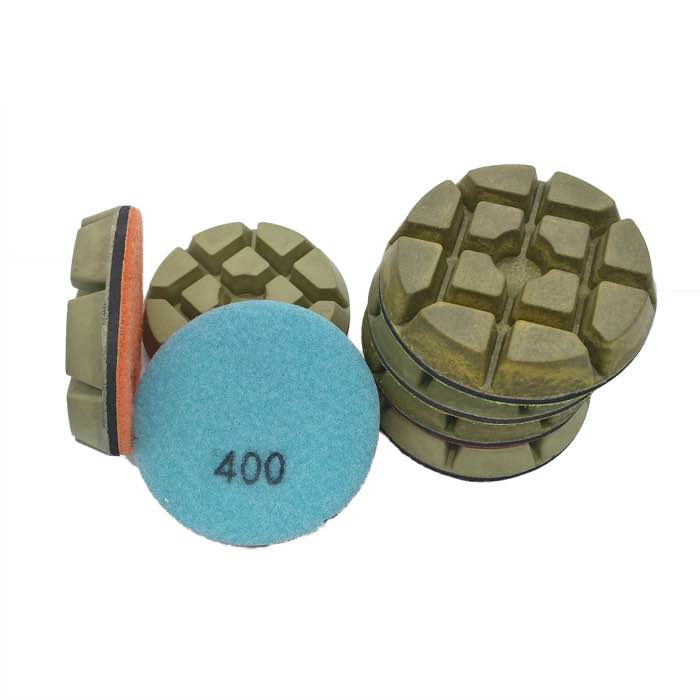
Polished concrete in a food processing plant must meet FDA-compliant, non-porous surface requirements and be sealed with a penetrating densifier, not a topical coating. Specify a 400 or 800 grit polish, fill all joints with food-grade epoxy or polyurea, and design a daily cleaning protocol using neutral pH cleaners and hot water at 60 to 70 degrees Celsius. Floors must resist grease, blood, and condensate, and drain toward floor trenches with a 2 percent slope. Expect a 48-hour wet-slip verification before the plant accepts the floor.
Food plants run wet, greasy, and corrosive. Sugar, salt, blood, and acids sit on the floor for hours, and any porous surface becomes a bacteria reservoir. Polished concrete works because densification closes the pores to nearly zero absorption, so cleaners penetrate the surface instead of the food residue. Epoxy coatings chip under forklift traffic and peel; polished concrete does not peel because it is the slab itself, hardened and refined.
Regulators and third-party auditors walk the floor with black lights and swab test panels. A smooth, non-porous, joint-filled slab passes those inspections year after year. A coated floor fails once the coating chips, because underneath it is the same porous concrete that absorbed grease for a decade. That is why more food processors switch to polished concrete during plant expansions.
The FDA Food Code and USDA Dairy requirements expect a smooth, durable, non-absorbent floor that can be washed without delamination. Polished concrete meets this when densified to a water absorption below 1 percent and finished without cracks or open joints. No written federal standard mandates polished concrete by name, but inspectors accept it when the pores are closed and the joint system is sealed.
All control joints must be saw-cut, cleaned, and filled flush with a food-compatible epoxy or polyurea. Floor drains sit flush with the slab, and the floor slopes 1 to 2 percent toward them. Square drains are easier to clean than round trench drains because no corners trap food debris. In wet zones, choose a grated trench drain with a removable basket so sanitation staff can pull solids daily.
Use hot water at 60 to 70 degrees Celsius with a neutral or slightly alkaline detergent. Auto-scrub with a red or white pad, then wet-vac the dirty water. Never let the wash water evaporate on the floor; it leaves a film that attracts grease.
Once a week, use a floor machine with a black pad and a degreaser rated for concrete. Pay attention to drain corners and under equipment. The JOY-RFP-01 resin pads are used during the initial polish, not for daily cleaning; keep them for touch-up shifts only.
Walk the floor with a flashlight. Look for etched patches where acids have sat, grease build-up around drains, and joint filler that has cracked. Re-densify any zone where water sinks in within 60 seconds. Log the date and the zone; sanitation auditors ask for this log.
Using acidic cleaners on a polished food floor is the fastest way to ruin it. Acid eats the densifier film, opens the pores, and the floor starts absorbing grease within weeks. Another mistake is over-wetting with a garden hose; standing water drives salts into the slab and causes efflorescence. For touch-up honing between maintenance cycles, JOY-RFP-02 resin pads restore the sheen without removing material. If the plant processes fish, meat, or dairy, build a dedicated washdown schedule with the sanitation manager before you specify the floor. For a spec sheet matched to your product line, reach out through contact us.
A polished floor in a processing room is wet for hours every shift. Specify a pendulum wet slip of at least 36 PTV, measured after the floor is washed, not dry. A 400 grit finish hits that number reliably; an 800 grit finish needs a small amount of aggregate exposure to stay above it. Re-test after every maintenance quarter. Train sanitation staff on the difference between scrubbing and burnishing; running a burnisher over a wet floor smears grease and leaves swirls that take a re-hone to remove.
Polished concrete survives food plants when it is densified to near-zero absorption, joint-filled with food-grade material, cleaned with neutral chemistry, and specified at the right grit for each zone. Budget 2 to 4 USD per square meter per year for the maintenance program; a failed epoxy overlay costs 10 times that in downtime. Treat the floor as part of the sanitation system, not just a walking surface, and it will last 15 years or more without recoating.
Written and reviewed by JOY TECH - an SGS & BV audited, CE/RoHS certified diamond tools manufacturer founded in 2004, exporting to 50+ countries.
Our factory and quality management system are audited by SGS and Bureau Veritas. Products meet CE/RoHS requirements and every piece is 100% inspected before packing.
Verified Certificates
