Average response time: under 24 hours
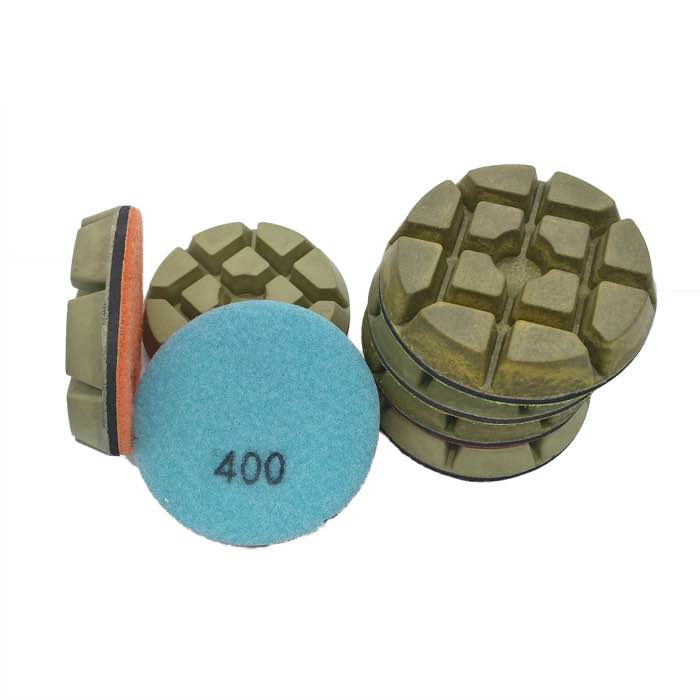
Polished concrete works well in kitchens: it is hard-wearing, easy to clean, and seamless, and it can be finished with a slip-resistant satin sheen. Seal the floor with a quality penetrating or topical sealer so water, oil, and food stains cannot soak in, and clean with a neutral pH cleaner. Watch for dropped glass, impact marks, and heavy objects, and re-seal on schedule. Choose a satin or matte finish and add a slip-resistant treatment for wet areas near the sink.
Polished concrete is one of the most durable kitchen floors: it resists scratching from dropped utensils, is unaffected by water, and cleans with a mop. Its seamless surface has no grout lines to harbour dirt or bacteria, which appeals to food prep areas. It pairs with underfloor heating, and its thermal mass helps keep the room comfortable. With a satin finish it reads as a premium modern material, and it suits both residential and commercial kitchens from the same floor system.
Polished concrete is hard: dropped glasses break, and heavy pans dropped from height can chip the surface. Standing on it for hours is harder on the feet than cushioned flooring, so add mats at workstations. The floor needs a sealed surface for kitchen duty, because unsealed polished concrete stains from oil, wine, and acidic spills. Sealer wear is normal in heavy traffic, so the floor needs periodic re-sealing to keep its stain resistance. These are manageable with the right finish and care routine.
| Concern | Solution |
|---|---|
| Water and spills | Seal with waterproof sealer |
| Slip when wet | Satin finish + slip treatment |
| Impact chips | Mats, care with heavy items |
| Staining | Neutral pH cleaner, re-seal |
Choose a satin or matte finish for a kitchen: high gloss is more slippery when wet and shows every mark. Even satin polished concrete can be slick with water and grease, so specify a slip-resistant sealer or an added anti-slip treatment, especially near the sink, hob, and prep areas. Test the finished floor with a wet foot before final sign-off. If the floor will see constant moisture, a penetrating sealer plus a topical slip-resistant coat gives both stain protection and traction.
Seal the polished floor with a product rated for kitchen exposure: a penetrating densifier sealer resists water and oil and keeps the natural look, while a topical film sealer adds gloss and a barrier that can be re-coated. Apply per the manufacturer's schedule and allow full cure before use, typically 24-72 hours. Re-seal every 1-2 years or when water stops beading on the surface. If the floor is subjected to heavy use, use a sacrificial topical coat that can be refreshed without stripping the whole floor.
Wipe spills immediately; oil and wine are the two stains that work fastest. Sweep or dust-mop daily to remove grit, and damp-mop with a neutral pH cleaner weekly. Never use acidic or abrasive cleaners on polished concrete; they etch the sealer. Use cutting boards and be careful with dropped glass, which can chip the surface. With a resin polishing pad and sealer system in place, a kitchen floor keeps its looks through years of cooking, cleaning, and traffic.
For an even gloss, work through diamond resin polishing pads in the correct grit sequence.
Keep resin floor polishing pads on hand so the finish stages of the floor stay consistent.
Written and reviewed by JOY TECH - an SGS & BV audited, CE/RoHS certified diamond tools manufacturer founded in 2004, exporting to 50+ countries.
Our factory and quality management system are audited by SGS and Bureau Veritas. Products meet CE/RoHS requirements and every piece is 100% inspected before packing.
Verified Certificates
