Average response time: under 24 hours
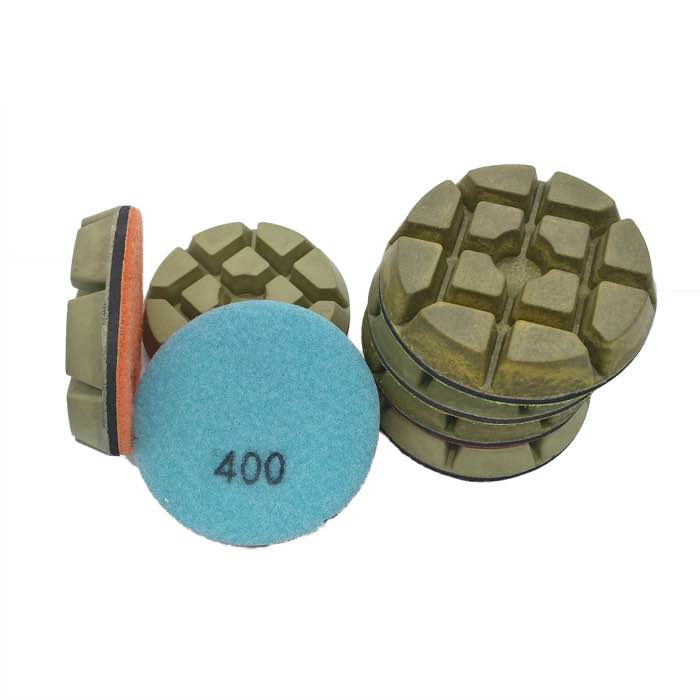
Most rust on polished concrete comes from wet steel, rebar bleed, or a metal can left on a damp slab. Treat it by soaking the spot with a 10 percent oxalic acid or phosphoric acid solution, letting it dwell 15 to 20 minutes, scrubbing with a white pad, then rinsing and neutralizing with baking soda water. On light rust this lifts in one pass. On deeper stains, repeat 2 to 3 times with a poultice. Finish by re-honing the patch with 800 then 1500 grit resin pads so the sheen matches the surrounding floor.
Rust is iron oxide that sits on and just below the polished surface. Acid dissolves the oxide into a soluble salt that you wash away. It does not eat concrete, but strong acid left too long will etch the paste and dull the polish. Metal marks from a dragging chair or ladder are usually just surface iron transfer, not true rust, and wipe off with acid in minutes.
The color of the stain tells you how deep it goes. A pale tan mark that disappears when wet is sitting on the top film and lifts fast. A dark, rust-brown blot that stays dry-looking has penetrated into the pores and needs a poultice draw. A pinpoint dot surrounded by a faint halo is rebar or aggregate iron bleeding up; that one may need a densifier seal after cleaning.
A light tan spot that fades when you scrub is surface rust from a wet can or tool. A dark, reddish-brown stain that keeps coming back after treatment is rebar bleeding to the surface; you have to cut and seal it with a densifier. Look for a pinpoint origin — that usually shows where the metal sat.
If the slab is damp under a plastic sheet taped down for 24 hours, moisture is feeding the stain. Fix the source before cleaning, or the rust returns. Sweating pipes, a leaking HVAC line, or a bad slab vapor barrier are common culprits.
Acid dulls the polish where it touches. Once the stain is gone, re-hone the spot by hand or with a small single-disc grinder. Use 800 grit resin first, then 1500, then a light burnish. Match the direction of the surrounding pad work. The JOY-RFP-01 resin polishing pads give the cleanest touch-up cut on medium-density slabs.
If the stain sat deep and the patch now looks flat, step down to 400 grit, then climb back through 800 and 1500. The goal is a uniform sheen; a half-gloss patch draws the eye more than the original rust did. Pair the touch-up with JOY-RFP-02 pads for a consistent cut across dense paste.
Muriatic (hydrochloric) acid etches polished concrete fast and is almost impossible to re-polish from. It is for raw concrete only. Never use it on a finished floor.
Steel brushes leave iron particles that rust on their own and create new spots. Use white nylon or diamond hand pads only. For the final re-hone, copper-bond transitional pads open the surface cleanly before the resin pass.
Bleach does not dissolve iron oxide. It lightens the stain temporarily and dries out the paste. It also breaks down the concrete densifier, so the floor can dust later.
Once the stain is gone, stop the cause. A clean, dry, densified polished floor resists new rust because water beads and runs rather than sits. Treat stains within the first week and they almost always lift without a re-polish; leave them for months and the iron oxides bond into the paste, requiring a full re-hone.
Written and reviewed by JOY TECH - an SGS & BV audited, CE/RoHS certified diamond tools manufacturer founded in 2004, exporting to 50+ countries.
Our factory and quality management system are audited by SGS and Bureau Veritas. Products meet CE/RoHS requirements and every piece is 100% inspected before packing.
Verified Certificates
