Average response time: under 24 hours
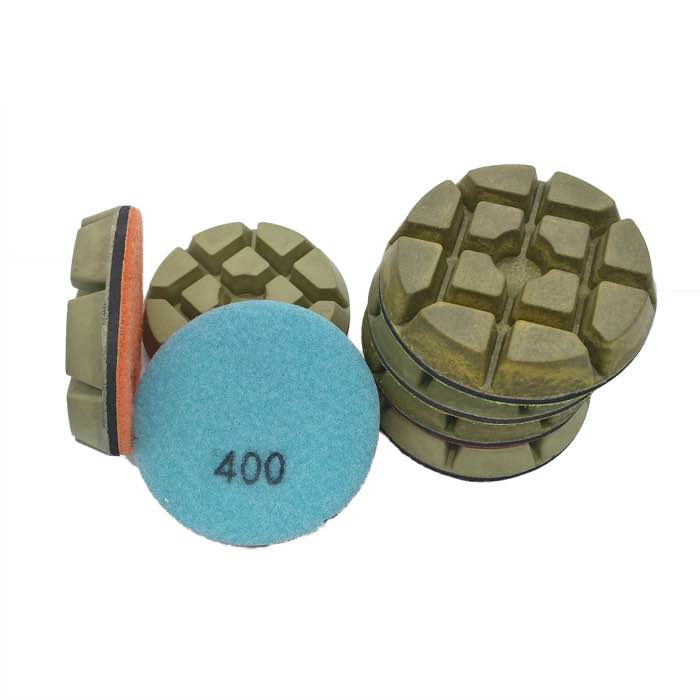
Sheen is determined by the finest resin-bond grit the floor is honed to. In practical terms: matte stops at about 400 grit (roughly 10 to 20 gloss units at 60 degrees), satin at 800 grit (20 to 40 GU), semi-gloss at 1500 grit (50 to 70 GU), and high gloss at 3000 grit or higher (80+ GU, mirror-like). Higher grit means more reflection but also more visible dust, scratches, and footprints in daily use.
Sheen in the concrete industry is reported in gloss units (GU) measured with a gloss meter at a 60-degree geometry. A fresh sheet of copy paper reads near 0 GU, a polished marble floor reads 80 to 90 GU, and a highly polished slab reads 70 to 95 GU. Two floors that look similar to the eye can differ by 20 GU, which is obvious under side lighting. Specify the target GU (or the finest grit) in writing before the job starts; 'shiny' is not a spec.
Matte is a flat, non-reflective finish. Light does not bounce back; the floor looks like honed stone rather than a mirror. It hides small scratches, dust, and tire marks well, so it is the standard choice for warehouses, manufacturing plants, garages, and heavy-traffic retail back-of-house. Cleaners are less critical because missed spots do not show. Matte does not read as 'premium' in a showroom, but it is the most forgiving everyday finish.
Satin has a soft, low glow rather than a mirror. It reflects light softly and shows furniture silhouettes only faintly. This is the most common residential and retail sheen: it reads as finished and upscale, but it does not show every footprint. Restaurants, showrooms, basements, and home living areas commonly land here. Satin needs regular dust mopping but does not require the weekly burnish that gloss does.
Semi-gloss reflects clear images of lights and walls, though slightly softened. It is a strong choice for retail showrooms, galleries, lobbies, and design offices that want a polished look without a full mirror. Expect to dust-mop twice a week and buff once a month. Scratches from a dropped crate or a dragged pallet jack will show clearly, so pair semi-gloss with walk-off mats at entry doors.
High gloss is mirror-like: windows, lights, and people reflect clearly. It is used in luxury retail, galleries, museums, and feature residential floors. It looks spectacular on opening day, but it is the highest-maintenance sheen. Every dust mote, every water spot, every black scuff from shoe soles shows. Expect daily dust mopping, weekly wet mopping with a neutral cleaner, and monthly burnishing to hold the GU.
Before signing off on a polished floor, bring a gloss meter and take readings at 10 to 15 random spots across the room, including corners and edges. A floor that reads 85 GU in the center but 40 GU along the wall has an edge-polishing problem, not a sheen problem. Specify an acceptable spread, for example plus or minus 10 GU across the floor, in the contract. If the readings vary more than that, the installer needs to re-run the edge band or re-burnish the low spots. Do not accept 'looks good' as a finish check; gloss meters cost less than a re-polish.
Sheen is not set by grit alone. Concrete with a densified, tightly closed paste will throw a sharper reflection than a porous slab that skipped densifier. A floor burnished with a diamond-impregnated pad after polishing will read 10 to 15 GU higher than the same floor left at 3000 grit. Ambient light and the color of the slab also change perceived sheen: light gray concrete looks glossier than dark gray at the same GU.
To keep sheen where you specified it: dust-mop or vacuum weekly to remove abrasive grit, wet-mop with a pH-neutral cleaner (never acidic or ammonia-based, both etch polished concrete), and re-burnish once or twice a year with a diamond-impregnated pad. Reapply a topical guard every two to three years if the floor was sold with one. Skip the rewaxing and floor finish coats that are meant for vinyl; they build up and yellow on polished concrete.
Written and reviewed by JOY TECH - an SGS & BV audited, CE/RoHS certified diamond tools manufacturer founded in 2004, exporting to 50+ countries.
Our factory and quality management system are audited by SGS and Bureau Veritas. Products meet CE/RoHS requirements and every piece is 100% inspected before packing.
Verified Certificates
