Average response time: under 24 hours
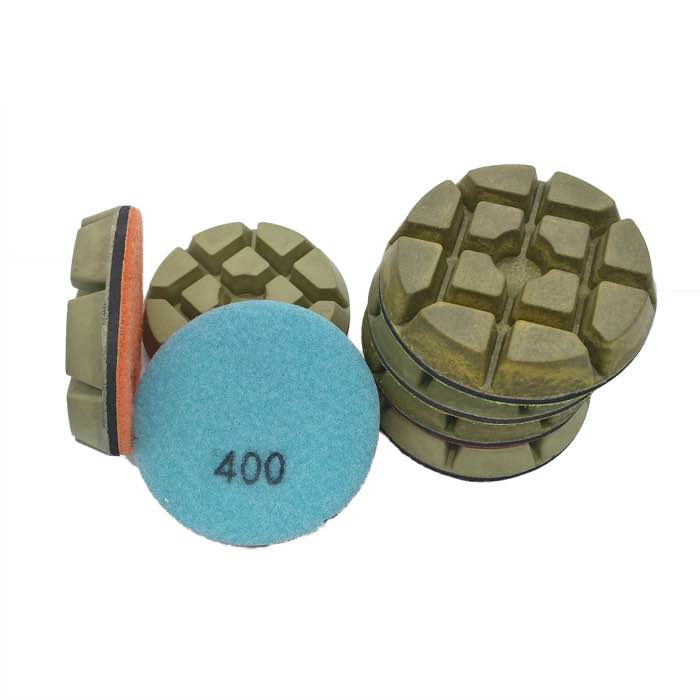
Polished concrete and porcelain tile both look modern, but they sit at different ends of cost and maintenance. Polished concrete is a single monolithic surface with no grout lines, lasts the life of the building, and costs roughly two to three times as much upfront as basic porcelain tile but never needs re-grouting. Porcelain tile is cheaper per square meter to install, but grout lines need resealing every one to two years and cracked tiles need replacement. Choose polished concrete for open commercial floors and large residential slabs; choose porcelain for wet rooms and for budgets that need a hard floor look at a lower upfront cost.
Polished concrete is priced by the square meter and depends on sheen level, condition of the existing slab, and whether aggregate exposure is wanted. A basic matte grind-and-seal job on an existing slab lands in the mid-range; a multi-grit polished slab with salt-and-pepper aggregate exposure and a high-gloss densified finish is at the premium end. You also need to account for the edge work, repair of cracks and joints, and any decorative saw-cut patterns.
Porcelain tile material runs from entry-level to designer grades depending on size, finish, and import. Installation adds thin-set, grout, and labor. Larger format tiles (600 by 1200 mm and up) cost more to lay but mean fewer grout lines. Add underlayment and crack-isolation membrane if the slab is not perfectly flat.
On a like-for-like installed basis, porcelain tile is usually cheaper upfront, but the gap narrows quickly once you account for polished concrete's decades-long no-replacement lifespan.
Polished concrete is a monolithic slab. There is nothing to pop loose, no tile to crack under a forklift, and no grout to crumble. It wears down slowly over decades; typical commercial slabs stay serviceable for 20 to 30 years before a re-polish is wanted.
Porcelain tile itself is very hard and scratch-resistant, but the system's weak point is the grout and the bond. Point loads from a dropped heavy object can crack a single tile, and that tile must be cut out and replaced. Freeze-thaw cycling in outdoor installations can pop tiles loose. In active warehouses, tile is generally not recommended at all.
This is where the two floors diverge most. Polished concrete has no grout. Routine care is dust mopping and an occasional neutral cleaner mop; a re-burnish every couple of years brings the sheen back. There are no joints to scrub, no grout to re-color.
Porcelain tile keeps the tile itself clean almost forever, but the grout lines do not. Light-colored grout stains in kitchens and entryways, dark grout collects mildew in bathrooms, and grout needs to be resealed every 12 to 24 months. In high-traffic commercial spaces, that re-grouting cycle is a standing maintenance line item for the life of the building.
Polished concrete can be honed to a matte or satin finish that stays slip-resistant when wet. High-gloss polished concrete in wet areas is a fall hazard. Porcelain is sold with rated slip coefficients; choose a textured or matte tile for wet rooms. Underfoot, both are hard and cool. Concrete offers thermal mass, which helps passively moderate indoor temperature; porcelain over a concrete slab shares that benefit only partially because the tile grout breaks the thermal bridge.
Concrete cracks that appear after polishing can be injected and touched up, but the patch will usually be slightly visible. Scratches and scuffs are handled by re-running a fine resin pass over the affected area. Tiles can be replaced one at a time, but matching the color and pattern of an old tile years later is often impossible.
Polished concrete does not off-gas adhesives, VOCs, or backing materials, and it has nowhere for dust mites or pet dander to settle; it is a common choice for allergy-aware residential builds. It also works well under underfloor heating because the slab itself is the heat emitter. Porcelain tile also handles underfloor heating well, but the thin-set and grout layers add thermal resistance and slightly slow the system's response time. Carpet and vinyl are the floors that cause the most indoor-air complaints, not these two.
If you want a floor that disappears into the architecture and needs almost no upkeep, polished concrete is the long-term value. If you want a warm, patterned, water-tight surface and you are willing to commit to grout maintenance, porcelain tile is the right tool. Many projects use both: polished concrete in open living and retail zones, porcelain in the wet rooms.
Written and reviewed by JOY TECH - an SGS & BV audited, CE/RoHS certified diamond tools manufacturer founded in 2004, exporting to 50+ countries.
Our factory and quality management system are audited by SGS and Bureau Veritas. Products meet CE/RoHS requirements and every piece is 100% inspected before packing.
Verified Certificates
