Average response time: under 24 hours
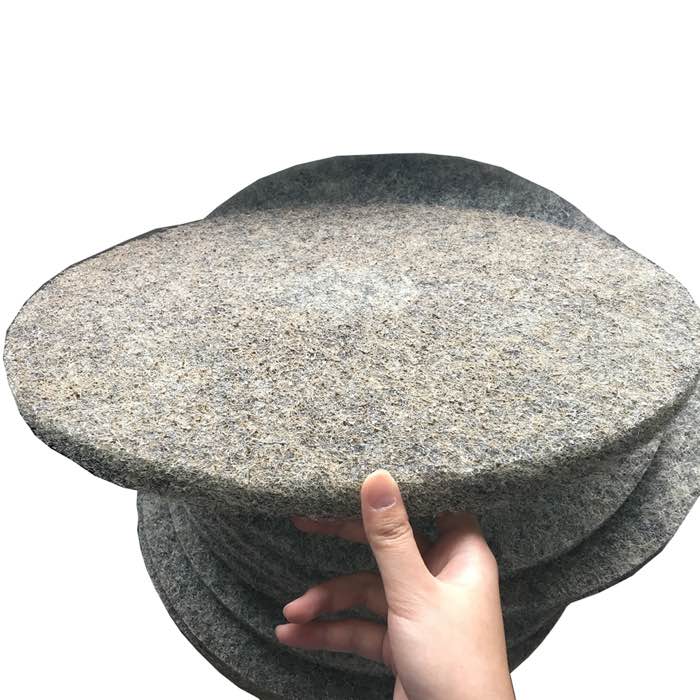
A polished finish is built step by step, and every grit stage has a job to do. The standard concrete burnishing grit stage sequence is 50 → 100 → 200 (metal or hybrid), then 400 → 800 → 1500 → 3000 (resin pads). You should not skip grit stages: each stage removes the scratch marks of the previous one.
For machine-matched tooling, browse our Typhoon Type Diamond Copper Bond Hybrid Resin Polish... range.What matters most in this stage.
Miss this step and the gloss will not come up evenly.
The practical details.
A 3000-grit stage pad is too fine to cut a 400-grit stage scratch mark.
Crews that rush this part rarely get a mirror finish.
Key points for the polishing sequence.
Many pros add a hybrid copper-bond or ceramic transitional pad such as the copper-bond transitional pads or ceramic-bond transitional pads to wipe out metal scratch marks before the resin stage.
This stage decides how much reflection the floor finally shows.
What matters most in this stage.
Miss this step and the gloss will not come up evenly.
The practical details.
Many flooring crews run metal and early resin grit stages dry with industrial vacuum, then switch to wet burnishing for 800 and above to get clarity.
Crews that rush this part rarely get a mirror finish.
Key points for the polishing sequence.
Coarse pads (50-200) wear fastest, covering tens of square meters.
This stage decides how much reflection the floor finally shows.
What matters most in this stage.
Grit stage alone cannot build a reflectivity on unhardened concrete.
Miss this step and the gloss will not come up evenly.
The practical details.
Stop at each grit stage, rinse or industrial vacuum, and inspect at a low angle.
Crews that rush this part rarely get a mirror finish.
Key points for the polishing sequence.
A mixed-up set causes skipped-grit stage errors on the project.
This stage decides how much reflection the floor finally shows.
What matters most in this stage.
Keep a few spares of each grit stage on the truck.
Miss this step and the gloss will not come up evenly.
The practical details.
This is the stage that turns a good burnish into a reflection.
Crews that rush this part rarely get a mirror finish.
Key points for the polishing sequence.
This sequence is proven on millions of square meters.
This stage decides how much reflection the floor finally shows.
What matters most in this stage.
Coarse pads wear fastest; fine pads last longest.
Miss this step and the gloss will not come up evenly.
The practical details.
The grit stage sequence is a ladder — skip a rung and you fall.
Crews that rush this part rarely get a mirror finish.
Key points for the polishing sequence.
Stick to the grit stage ladder and the floor will reflectivity.
This stage decides how much reflection the floor finally shows.
A: In short, No. Skipping leaves 400-grit stage micro-scratch marks that reduce clarity.
A: The practical answer is, 2-3 overlapping passes until the floor is uniformly textured at that grit stage.
A: For most jobs, Only for a mirror showroom finish. Most commercial floors stop at 800-1500.
A: In short, Mostly, but resin pad branding varies; follow the printed number on the pad.
Looking for the right tool? Check our Diamond Resin Polishing Pads for Concrete & Terrazzo.... Looking for the right tool? Check our Diamond Resin Floor Polishing Pads.The finish is the sum of the stages - stay disciplined and the floor shines. Reach out to JOY TECH for a full 50-3000 resin pad set matched to your grinder.
Written and reviewed by JOY TECH - an SGS & BV audited, CE/RoHS certified diamond tools manufacturer founded in 2004, exporting to 50+ countries.
Our factory and quality management system are audited by SGS and Bureau Veritas. Products meet CE/RoHS requirements and every piece is 100% inspected before packing.
Verified Certificates
