Average response time: under 24 hours
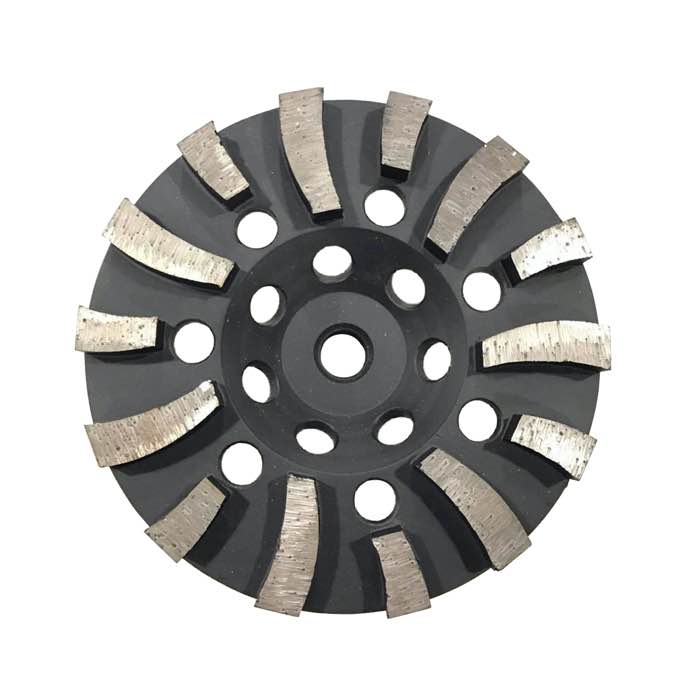
You remove rust stains from concrete by grinding away the top 0.1-0.3 mm of surface that holds the iron oxide, after trying a chelating rust remover first. Use a 30/40 or 60/80 metal-bond disc such as triple-round trapezoid segments for a wide, fast cut, then continue through the resin sequence so the patched area matches the rest of the floor. Rust that has soaked deeper than 1 mm into porous concrete will not come out by grinding - you must treat it with a phosphoric or oxalic acid-based rust remover and re-seal.
Rust (iron oxide) is a molecular stain, not surface dirt. It penetrates capillary pores and re-oxidises when moisture returns. Ground-out patches often rust back within months unless you remove the source - usually a corroding rebar, a steel cart leg, or runoff from a metal roof - and seal the concrete after.
Start by mapping the stain with a moisture meter - damp concrete holds more iron. Dry-grind the stain area with extraction, moving in a wide feathered zone 20-30 cm beyond the visible stain edge. Stop every two passes and rinse a small test spot with water: if the brown colour returns when wet, the rust is still present and you must keep grinding or switch to chemicals.
| Stain age | Depth | Best fix |
|---|---|---|
| < 3 months | 0.1 mm | Dry grind at 30/40, then resin blend |
| 3-12 months | 0.3-1 mm | Oxalic acid treatment, then light grind |
| > 1 year / rebar bleed | > 1 mm | Cut out, patch, grind, densify, seal |
For hand-held edge work around columns and drains, a 5-inch L-segment cup wheel cuts rust faster than a flat disc because the open segment design clears iron-oxide dust before it loads the bond.
Pick a soft-bond metal disc on hard concrete (rust-stained slabs are often hard because they are old), and a medium bond on normal concrete. Avoid PCD for rust removal - PCD is for coatings, and it will gouge the aggregate. After the metal-bond stage, run a 150 grit ceramic transitional pad and then resin 50, 100, 200, 400 across the whole repaired bay so the feathered edge disappears. Skipping the blend leaves a visible oval patch.
If the stain came from coating residue mixed with iron, a 12-small-PCD cup wheel will strip the coating first, then switch to a metal bond for the actual rust grind.
A: Weak vinegar will lighten surface rust but will not remove deep stains. Use a dedicated oxalic or phosphoric acid concrete rust remover, neutralise with baking soda, then grind.
A: You can grind the stain, then feather the resin sequence out in a 1 m circle. On high-gloss floors, plan to re-polish the whole bay - spot repairs show under angled light.
A: Until a wet rag wiped across the surface comes up clean. Usually 0.1-0.3 mm for fresh stains; deeper for old ones.
A: If the iron source is still there and the concrete is unsealed, yes. Remove the source, densify, and seal to keep it out.
Rust stains are grindable only when they are shallow and the iron source is gone. Map the stain, dry-grind with a soft-bond metal disc, feather the blend through resin grits, and seal. JOY TECH stocks the metal-bond and resin pads needed to remove rust stains and blend them invisibly; send us a photo of the stain for a recommended starting grit.
Written and reviewed by JOY TECH - an SGS & BV audited, CE/RoHS certified diamond tools manufacturer founded in 2004, exporting to 50+ countries.
Our factory and quality management system are audited by SGS and Bureau Veritas. Products meet CE/RoHS requirements and every piece is 100% inspected before packing.
Verified Certificates
