Average response time: under 24 hours
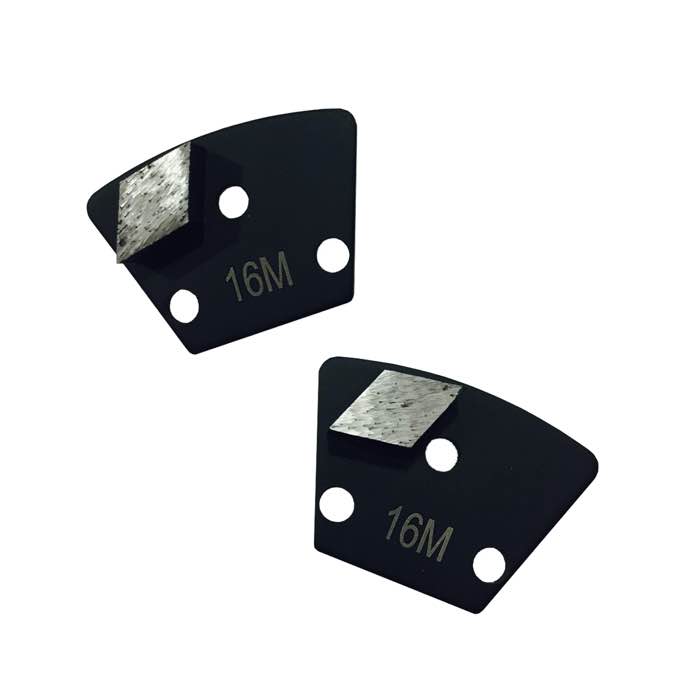
Dry grinding is faster and cleaner to manage indoors when you have a strong vacuum; wet grinding keeps tools cooler and virtually eliminates dust but creates slurry that must be collected. Many crews run dry for the coarse metal bond steps and wet only where silica dust rules force it.
For machine-matched tooling, browse our 3'' Metal Bond Diamond Grinding Disc with 4 Segments range.Crystalline silica dust from concrete is a health hazard, and many regions now have mandatory dust-control rules for dry grinding. If you grind dry, the vacuum must have a HEPA filter and the shroud must cover the tool. A respirator is still recommended.
Ask three questions: Can I control dust here? Is the machine set up for water? Is the concrete so hard that heat glazing is a risk? Dry plus vacuum covers most jobs; switch to wet when any answer points that way.
A>Both can produce the same finish. Wet polishing is often slightly cleaner on the fine grits, but dry is fine with good vacuum.
A>No, but water can darken fresh concrete and slow curing. Seal edges and manage slurry.
A>Yes, but clean the floor between methods so the change is not visible in the finish.
Looking for the right tool? Check our 3'' Metal Bond Diamond Grinding Disc with 10 Segments. Looking for the right tool? Check our 3'' Metal Bond Diamond Grinding Disc with 5 Segments.Dry grinding with proper dust control is the default for most crews; wet grinding is the fallback where dust rules or tool cooling demands it. Choose by dust control capability and concrete hardness, not habit.
Written and reviewed by JOY TECH - an SGS & BV audited, CE/RoHS certified diamond tools manufacturer founded in 2004, exporting to 50+ countries.
Our factory and quality management system are audited by SGS and Bureau Veritas. Products meet CE/RoHS requirements and every piece is 100% inspected before packing.
Verified Certificates
