Average response time: under 24 hours
Quick Answer: Concrete grinder vibration almost always comes from uneven or worn discs, loose tooling, or an unbalanced machine. Stop and check the tooling first: replace worn discs, re-torque the tooling evenly, and make sure the machine sits level. If the vibration persists, check the motor, drive belt, and bearings before continuing.
Uneven disc wear is the number one cause of vibration. If one segment is shorter than the others, the disc bounces at speed and shakes the whole machine. Inspect every tool on the head, replace any worn or broken disc, and make sure all tooling is the same height. A well-made trapezoid disc set wears evenly when the machine is run flat.
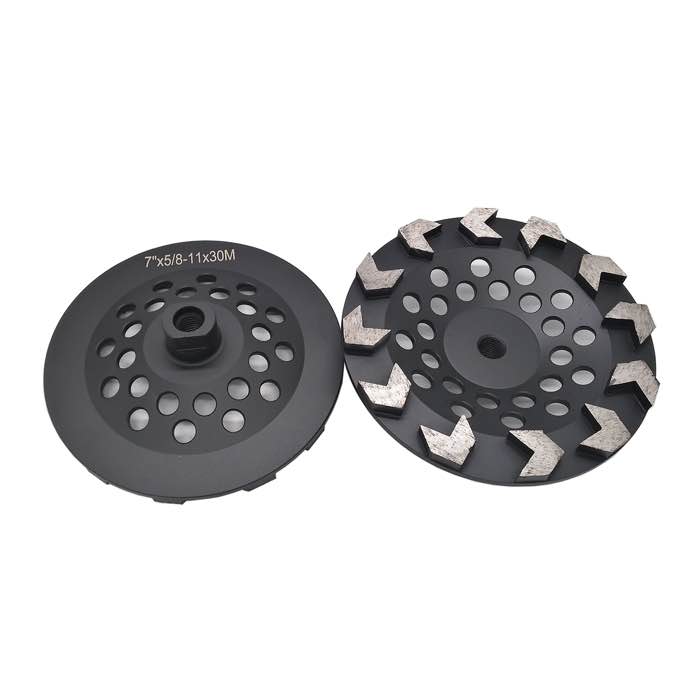
Loose bolts and quick-change tooling also vibrate. Re-torque every tool in a crisscross pattern to the machine's spec. Swap in a fresh cup wheel to confirm the vibration follows the disc, not the machine.
On planetary machines, vibration also comes from a damaged hub or a head that no longer runs true.
Usually a worn or uneven disc, loose tooling, or a damaged head. Stop the machine and inspect before continuing.
Yes. Uneven segment wear makes the disc wobble and shakes the machine at speed.
No. Vibration signals loose tooling or damage that can fail mid-job. Inspect and fix the cause first.
Vibration is a warning, not a nuisance. Check discs and torque first, then the belt, bearings, and leveling. With even, well-fitted grinding discs and a level machine, the floor stays smooth and your arms stay comfortable.
Written and reviewed by JOY TECH - an SGS & BV audited, CE/RoHS certified diamond tools manufacturer founded in 2004, exporting to 50+ countries.
Our factory and quality management system are audited by SGS and Bureau Veritas. Products meet CE/RoHS requirements and every piece is 100% inspected before packing.
Verified Certificates
