Average response time: under 24 hours
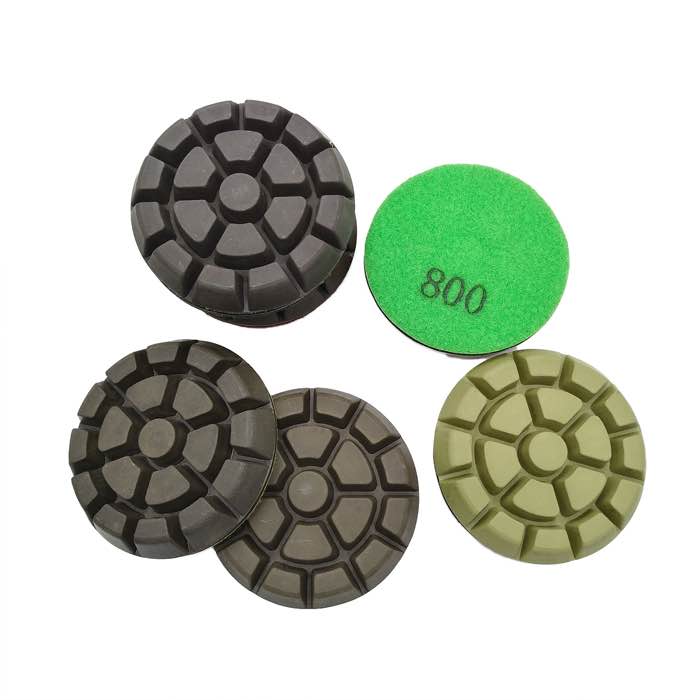
Quick Answer: Polish concrete at the speed your machine and pads are rated for: typically 300 to 500 RPM on walk-behind grinders for grinding steps, and 800 to 1500 RPM for burnishing with resin pads. High speed with fine resin grits creates heat and burns; low speed with coarse metal bond cuts too slowly. Match speed to grit.
These are starting points: your machine manual and pad rating override them. A 20-inch planetary at 300 RPM cuts different from a hand polisher at 2000 RPM.
Fine resin pads build heat quickly. At high RPM with pressure or dwell, the resin melts and leaves burn marks. The fix is speed discipline: keep fine-grit passes moderate, move continuously, and use wet polishing or a burn-prevention pad where heat is a problem.
Walk-behind grinders have gearboxes that limit RPM; hand polishers run much faster. Always use the speed range the pad manufacturer prints on the product. A resin pad rated for 600-1200 RPM should not be spun at 3000.
Most walk-behind machines work best at 300-500 RPM for grinding and up to about 1000-1500 RPM for burnishing passes with resin pads.
Too much speed, pressure, or dwell time with a fine grit. Reduce RPM, keep the machine moving, and cool the pad.
Yes. At too low speed, coarse tools take forever and resin pads fail to cut, leaving a dull surface.
Speed is a grit-dependent tool: faster is not better. Run coarse steps at machine speed, keep fine resin steps moderate and moving, and read the pad rating. With the right resin system and speed discipline, the floor polishes clean without burning.
Written and reviewed by JOY TECH - an SGS & BV audited, CE/RoHS certified diamond tools manufacturer founded in 2004, exporting to 50+ countries.
Our factory and quality management system are audited by SGS and Bureau Veritas. Products meet CE/RoHS requirements and every piece is 100% inspected before packing.
Verified Certificates
