Average response time: under 24 hours
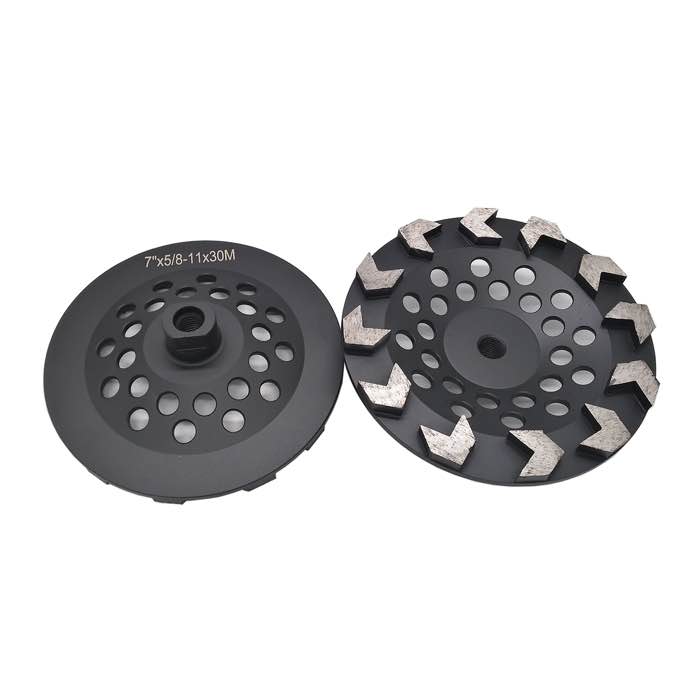
To grind concrete under a door frame, use a handheld angle grinder with a small-diameter diamond cup wheel that fits the gap, and grind from the visible side toward the frame in overlapping passes. Protect the frame with masking tape, keep the wheel flat, and feather the ground concrete into the surrounding floor so there is no lip. If the gap is too tight for any wheel, cut the concrete back first with a diamond blade or chisel it below the frame, then grind the surface flush.
Concrete under a door frame sits in a confined gap with metal or wood on one side and a floor on the other. The clearance is usually 10-30 mm, which excludes most floor grinder discs. The risk is twofold: the frame gets scratched or cut, and the concrete is ground unevenly because the tool cannot reach square to the surface. Grinding too deep beside the frame also leaves a step that the door no longer clears.
For gaps of about 15 mm and up, a 100-115 mm cup wheel on a handheld grinder fits and reaches the frame edge. For tighter gaps, use a smaller disc or a diamond grinding wheel with a slim profile. If you cannot fit any powered wheel, use a carbide or diamond rasp attachment on a multitool to carve the concrete down, then smooth it.
Check the frame material first. Metal frames scratch instantly — tape them with painter's tape and add a sacrificial strip of thin plastic or cardboard. Wood frames need tape plus care to avoid burning the finish. Aluminum frames are the softest and need the most protection. Keep the grinder flat so the wheel does not ride up onto the frame.
Work from the floor toward the frame: start the pass at the open floor and move the wheel into the gap, ending at the frame. Grinding in this direction pushes material out rather than jamming it under the frame. Use overlapping passes and feather the depth as you approach the frame so the concrete meets the frame without a raised edge.
If the concrete sits proud of the frame threshold, grind it down in several light passes instead of one deep cut — the confined space means the wheel cannot cool as well, and forcing it overheats the segments. Between passes, vacuum the gap so you can see how much remains and keep dust from packing under the frame. A diamond grinding cup wheel with a new edge cuts cleanly in tight corners.
After grinding, test the door swing before removing the tape. If the door still catches, remove a little more with light passes. Then clean the gap thoroughly with a vacuum nozzle.
The ground area under the frame must blend into the surrounding floor or the door sweep will catch on the step. Extend your passes 150-200 mm out from the frame and feather the depth so the transition is gradual. If the floor itself is being ground, do the frame zone with the same grit as the main floor so the finish matches. Check the profile with a straightedge laid across the door opening — any step is visible to the eye and felt by feet.
For the rest of the floor, the same flatness rules apply; see how to grind concrete smooth without leaving ridges for pass overlap and technique.
For tight thresholds, a slim bush hammer plate for hand grinders opens up the profile work.
Use a handheld grinder with a small cup wheel that fits the gap, protect the frame with tape, and grind in overlapping passes from the open floor toward the frame, feathering the edge.
Usually not — the disc is too wide for the gap. Handheld tools with small wheels or rasp attachments are the practical options for door thresholds.
Tape the frame with painter's tape and add a sacrificial strip. Keep the wheel flat and work from the floor side so the wheel does not ride up onto the frame.
Grind it down in several light passes until the concrete meets the frame without a raised edge. Test the door swing as you go and clean the gap between passes.
Grinding under a door frame is a handheld job about clearance and care: a small cup wheel that fits the gap, a protected frame, and overlapping passes that feather into the floor. Go light, check the door swing often, and keep the gap clean. Done this way, the threshold sits flush, the door clears, and the frame stays unscratched.
Written and reviewed by JOY TECH - an SGS & BV audited, CE/RoHS certified diamond tools manufacturer founded in 2004, exporting to 50+ countries.
Our factory and quality management system are audited by SGS and Bureau Veritas. Products meet CE/RoHS requirements and every piece is 100% inspected before packing.
Verified Certificates
