
Grinding Shoe Segment Height: 10 mm vs 12 mm on Hard Concrete
Grinding Shoe Segment Height: 10 mm vs 12 mm on Hard Concrete
Quick Answer
A 12 mm segment lasts longer and costs less per square metre on hard, abrasive concrete, but it needs more machine power and can glaze if the bond is too hard. A 10 mm segment cuts faster and is more forgiving on a light machine or a soft slab, but it wears out sooner. On hard concrete with a planetary grinder, 12 mm is usually the production choice; on a single-head or hand-held machine, 10 mm is safer.
What Segment Height Changes
Segment height is the diamond-bearing depth above the steel core. A taller segment has more diamond layers, so it lasts longer. It also has a larger side area, which increases friction and machine load. A shorter segment is lighter, cuts with less torque and reaches the end of its life sooner.
The segment height does not change the diamond quality or the bond. A 12 mm hard-bond segment on soft concrete will still glaze; a 10 mm soft-bond segment on hard concrete will still wear fast.
Life and Cost per Square Metre
A 12 mm segment typically delivers 20-30% more square metres than a 10 mm segment of the same bond and grit. The price is usually 15-25% higher, so the cost per square metre is lower on high-volume jobs. On small jobs, the difference may not cover the higher unit price.
| Segment | Relative life | Relative cut rate | Best for |
|---|---|---|---|
| 10 mm | 100% | Faster | Light machines, soft concrete, detail work |
| 12 mm | 120-130% | Slightly slower | Hard concrete, large area, planetary grinder |
Machine Load and Glazing
A taller segment has more contact area on the sidewall and can increase amp draw. On a 5.5 kW grinder, a 12 mm hard-bond segment may stall in hard concrete; a 10 mm segment may keep the motor in range. On a 15 kW planetary grinder, the extra height is not a problem.
Glazing is a bond issue, not a height issue. If a 12 mm segment glazes, check the bond and the head pressure before changing height. A softer bond usually fixes it.
When to Choose 10 mm
- Hand-held or single-head grinders with limited power.
- Soft or medium concrete where a tall segment may load.
- Detail work around edges and under toe kicks.
- Jobs where the tooling must be changed often for different grits.
When to Choose 12 mm
- Hard, abrasive concrete with a high-power planetary grinder.
- Large areas where tool changes cost more than the segment price.
- Coating removal where the segment must last through abrasive aggregate.
- Production floors with a consistent bond and grit.
Frequently Asked Questions
Q: Does a taller segment always last longer?
A: It has more diamond depth, but it can wear faster if the bond is too soft or the machine is too light. Match the bond and machine before choosing height.
Q: Can I use a 12 mm segment on a 5.5 kW grinder?
A: In soft concrete, yes. In hard concrete, it may overload the motor. Check the amp draw and reduce depth.
Q: Why does my 12 mm segment glaze?
A: The bond is too hard for the concrete or the head pressure is too low. Try a softer bond before changing height.
Q: Is 10 mm better for polished concrete?
A: It is more forgiving for the finer grits, but the bond and grit matter more than height. Use 10 mm for light machines and 12 mm for production.
Conclusion
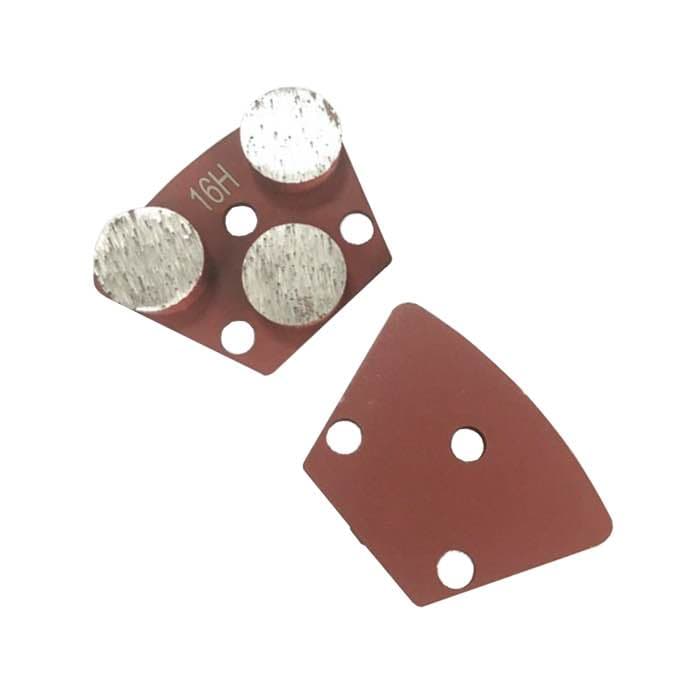
Choose 12 mm for life and cost per square metre on hard concrete with a powerful grinder; choose 10 mm for speed, light machines and detail work. Match the bond first, then the height. JOY TECH supplies trapezoid grinding discs in multiple segment heights for floor grinders.
Products used in this guide
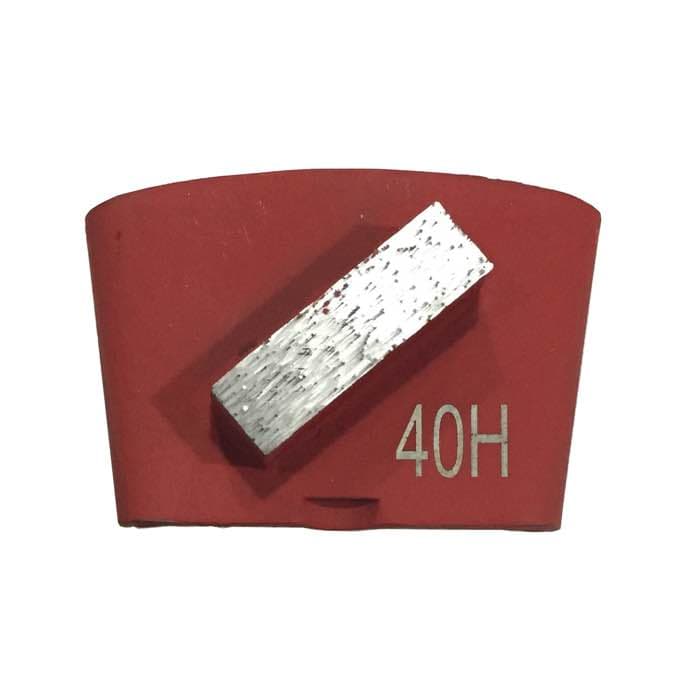
HTC Single Bar Segment Diamond Grinding Disc (JOY-HTCS-B1)
View specs →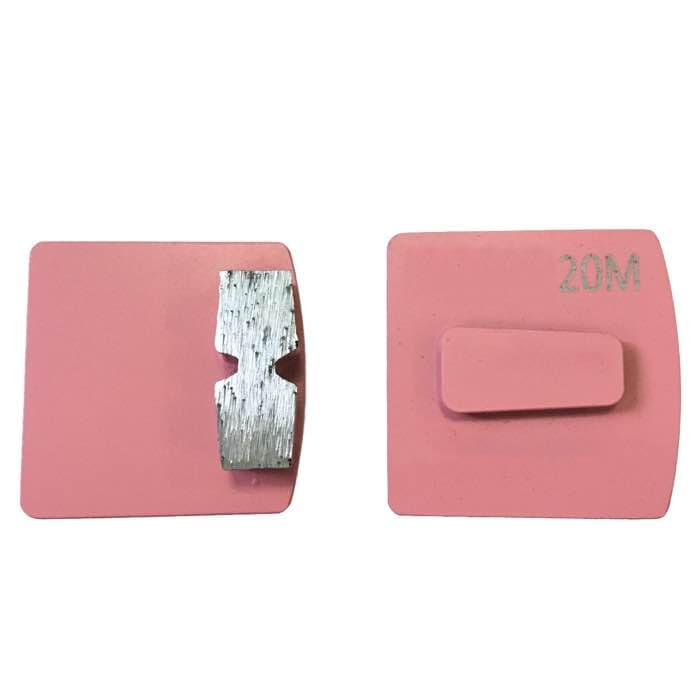
Husqvarna Single Segment Diamond Grinding Disc (JOY-HQS-H1)
View specs →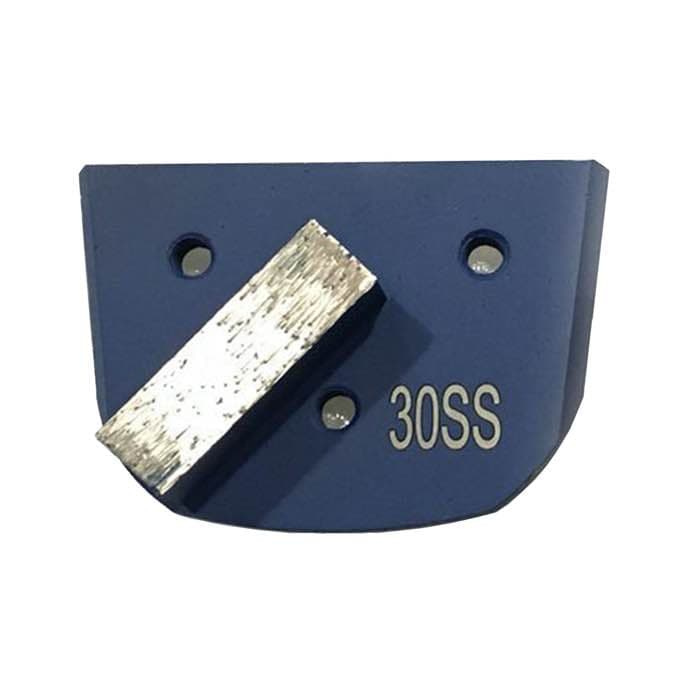
Lavina Single Bar Segment Diamond Grinding Disc (JOY-LVS-B1)
View specs →Need this tool for your job?
MOQ 1 · 7–30 days by order quantity · FOB & CIF · free sample on request
Author & Manufacturer
Written and reviewed by JOY TECH - an SGS & BV audited, CE/RoHS certified diamond tools manufacturer founded in 2004, exporting to 50+ countries.
Quality & Compliance
Our factory and quality management system are audited by SGS and Bureau Veritas. Products meet CE/RoHS requirements and every piece is 100% inspected before packing.
Verified Certificates
- • SGS Audited Supplier — Report No. QIP-ASI227442 & QIP-ASR247051
- • Bureau Veritas Verified — Report No. MIC-ASR257059
- • CE & RoHS Certificate of Conformity — No. CS240925001HRZ