

Magnetic vs Bolt-On Grinding Blocks: Changeover Time and Runout
Magnetic vs Bolt-On Grinding Blocks: Changeover Time and Runout
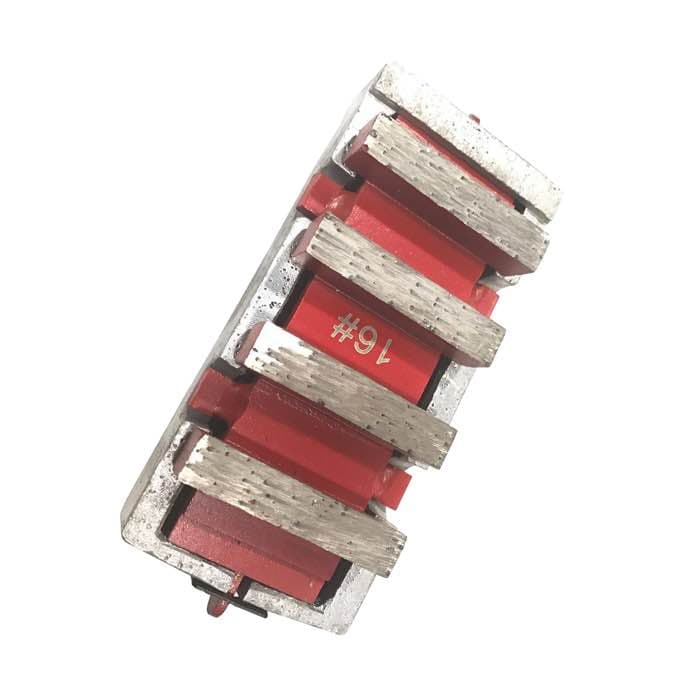
Quick Answer
Magnetic blocks change faster and are common on quick-change grinding heads, but they depend on a clean, flat plate and can shift if the magnet is weak or the plate is worn. Bolt-on blocks clamp more rigidly and tolerate a worn plate, but changing a set costs more time. For high-mix jobs with frequent grit changes, magnetic wins; for heavy removal and older heads, bolt-on is safer.
How Each System Holds the Block
A magnetic block has a steel backing plate that attaches to a magnetic chuck on the grinder head. The holding force depends on contact area, plate flatness and magnet strength. A bolt-on block has a central bolt or a clamp bar that mechanically locks the block to the head.
Magnetic force drops quickly with any air gap. A film of slurry, a burr or a bent plate can reduce holding force enough to let the block creep. Bolt-on systems tolerate a small gap because the clamp provides positive retention.
Changeover Time
Magnetic blocks can be swapped in seconds per block, which matters on a job that runs 30/40, 60/80 and 120 grits in one day. Bolt-on blocks need a wrench and careful torque; a full head can take 5-15 minutes to change. On a large floor, that downtime adds up.
| System | Change time per head | Best for |
|---|---|---|
| Magnetic | 1-3 min | Frequent grit changes, quick-change heads |
| Bolt-on | 5-15 min | Heavy removal, older heads, rough sites |
Runout and Flatness
Magnetic chucks are designed to pull the block flat against the plate. If the plate is worn or the block backing is bent, the block sits at an angle and runs out. Runout shows up as a wave in the floor or a vibration at the head. Bolt-on blocks can also run out if the bolt is over-tightened or the block seat is damaged.
Check the plate with a straight edge and clean it after every change. A magnetic block that rocks on the plate should be replaced, not shimmed.
Holding Force and Safety
A magnetic block can slide sideways under a hard cut, especially if the grinder hits an edge or a joint. The result is a sudden grab and a damaged block or head. Bolt-on blocks are less likely to slide but can loosen if the bolt is not torqued. Use the manufacturer’s torque and check bolts at every change.
Never rely on the magnet alone to hold a block over a raised edge or a stair. Use a secondary mechanical stop or a tether where the machine allows.
Cost and Compatibility
Magnetic blocks usually cost more because of the precision backing plate. The grinder head must have a compatible magnetic chuck; not all heads do. Bolt-on blocks are cheaper and fit more machines, but the labour cost of changing them can exceed the savings on a high-mix job.
Frequently Asked Questions
Q: Can I use a magnetic block on any grinder?
A: No. The head must have a magnetic chuck with the correct pattern and strength. Check compatibility before buying.
Q: Why does my magnetic block slip?
A: Slurry or a burr on the plate, a weak magnet or a worn backing plate. Clean the plate and replace damaged blocks.
Q: Are bolt-on blocks more accurate?
A: They can be, because the clamp is positive. But runout depends on the block seat and torque, not on the fastening type alone.
Q: Which is better for heavy coating removal?
A: Bolt-on or a mechanical quick-change system. Magnetic blocks can creep under high side load.
Conclusion
Magnetic for speed, bolt-on for rigidity. Choose based on how often you change grits and how worn the head is. JOY TECH supplies EDCO grinding blocks and trapezoid discs for common quick-change and bolt-on heads.
Products used in this guide
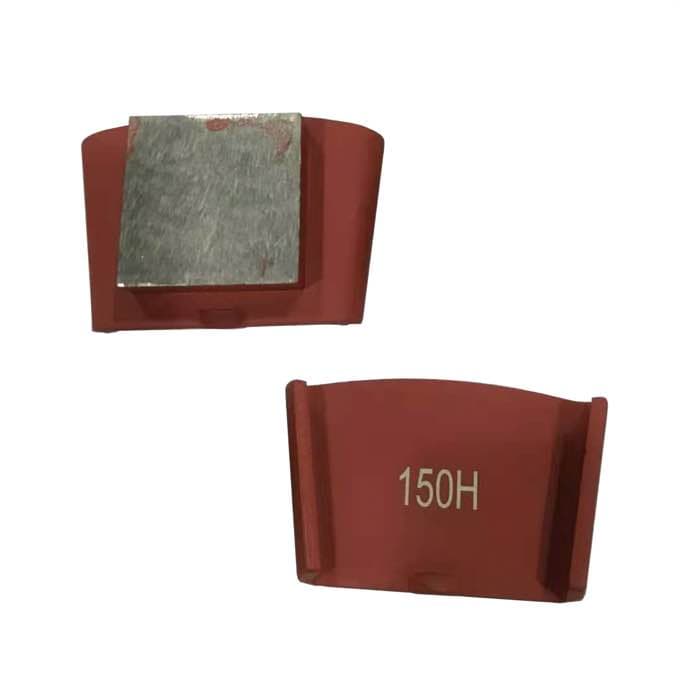
HTC Block Segment Diamond Grinding Disc (JOY-HTCS-Block)
View specs →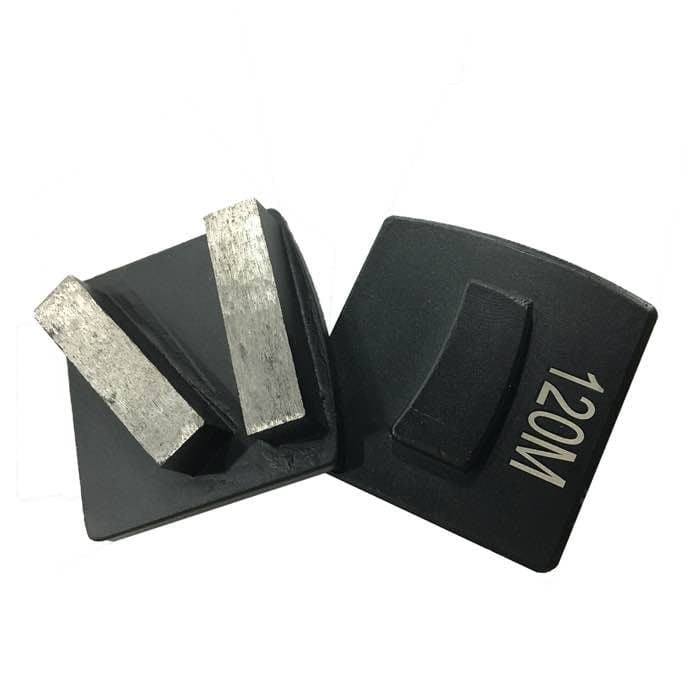
Klindex Double Bar Segment Quick Lock Diamond Grinding Disc (KLD-T2B)
View specs →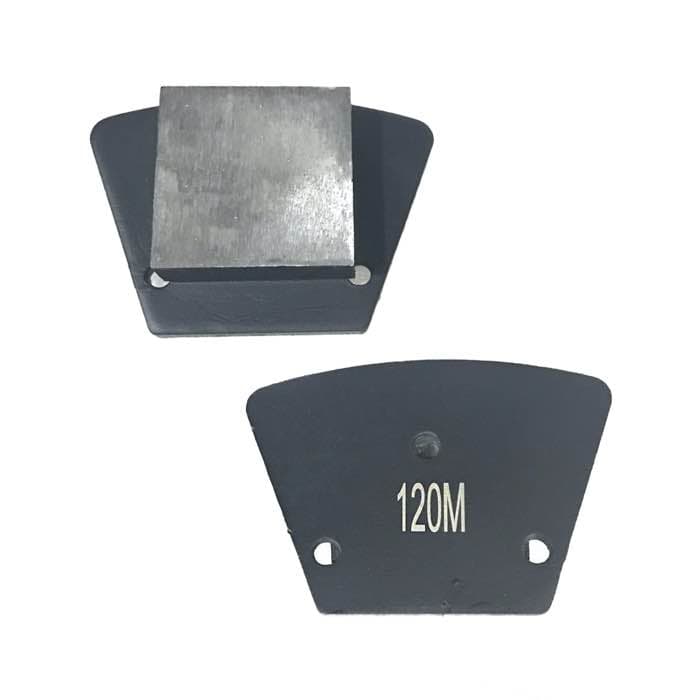
Block Segment Diamond Trapezoid Grinding Disc (JOY-TP-B)
View specs →Need this tool for your job?
MOQ 1 · 7–30 days by order quantity · FOB & CIF · free sample on request
Author & Manufacturer
Written and reviewed by JOY TECH - an SGS & BV audited, CE/RoHS certified diamond tools manufacturer founded in 2004, exporting to 50+ countries.
Quality & Compliance
Our factory and quality management system are audited by SGS and Bureau Veritas. Products meet CE/RoHS requirements and every piece is 100% inspected before packing.
Verified Certificates
- • SGS Audited Supplier — Report No. QIP-ASI227442 & QIP-ASR247051
- • Bureau Veritas Verified — Report No. MIC-ASR257059
- • CE & RoHS Certificate of Conformity — No. CS240925001HRZ