

Terrazzo Grinding Blocks: Exposing Aggregate Without Pulling It
Terrazzo Grinding Blocks: Exposing Aggregate Without Pulling It
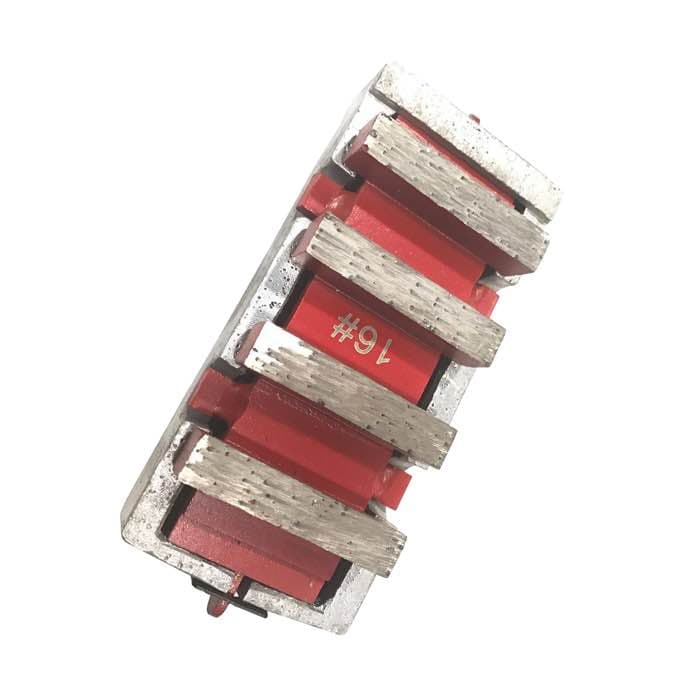
Quick Answer
Terrazzo needs a diamond block with a bond hard enough to resist the soft cement matrix but not so hard that it polishes the surface. Start with a 30/40 or 60/80 metal-bond block at light pressure, keep the machine moving, and use water or a dust vacuum to stop the matrix from loading. The goal is to cut the cement paste back and expose the chips, not to rip the chips out of the matrix.
Why Terrazzo Is Different From Concrete
Terrazzo is a composite of marble, granite or glass chips in a cement or resin matrix. The chips are hard and the matrix is softer. A diamond tool that is too aggressive catches the chips and pulls them out, leaving pits. A tool that is too fine polishes the matrix and never exposes the chip face.
The matrix also varies. Cement terrazzo is porous and can load a hard bond; epoxy terrazzo is denser and more sensitive to heat. Know which system you are working on before choosing a block.
Bond Hardness
Use a medium-hard bond for cement terrazzo. It wears slowly enough to keep the chips in place but fast enough to expose diamond. For epoxy terrazzo, use a softer bond and lower pressure to avoid overheating the resin. If the block glazes, the bond is too hard; if the chips are pulled out, the bond is too soft or the grit is too coarse.
| Terrazzo type | Bond | Starting grit |
|---|---|---|
| Cement terrazzo | Medium-hard | 30/40 |
| Epoxy terrazzo | Soft-medium | 60/80 |
| Thin-set terrazzo | Soft | 60/80 |
| Heavy-lippage terrazzo | Hard | 16/20 or 30/40 |
Grit Sequence
For a standard restoration, start at 30/40 to remove lippage and open the surface, then 60/80 to refine, then 120/150 before polishing. If the floor is flat and only dull, start at 60/80 and skip the coarse grit. Do not jump from 30/40 to 200; the intermediate grits remove the scratches from the previous step.
On terrazzo, the coarse grit is where most chips are pulled. Use light pressure and overlap passes. If a chip is loose, stop and repair it before continuing; the block will pull it out and enlarge the pit.
Pressure and Machine Speed
Terrazzo responds to light pressure and steady movement. Heavy pressure generates heat, loads the matrix and pulls chips. On a planetary grinder, check that the head is floating; on a single-disc machine, let the weight of the head do the work. Keep the speed at the manufacturer’s setting for the block; too high a speed can burn the surface.
Water and Dust
Wet grinding is common on terrazzo because it controls dust and keeps the matrix cool. Use a steady water flow and a wet vacuum; do not let slurry dry on the floor. Dry grinding is possible with a HEPA shroud, but the risk of loading and overheating is higher. Whichever method you use, clean the surface between grits so the next block cuts the floor, not the sludge.
Frequently Asked Questions
Q: Why are chips pulling out of my terrazzo?
A: The block is too aggressive, the pressure is too high, or the matrix is weak. Use a finer grit, reduce pressure and repair loose chips before grinding.
Q: Can I grind terrazzo with a concrete block?
A: A standard concrete block may be too aggressive. Use a terrazzo-specific bond or a finer grit, and test a small area first.
Q: How do I know the aggregate is exposed enough?
A: The chip faces should be visible and the surface should be uniform, without shiny matrix patches. Stop before the chips are cut flat.
Q: Wet or dry for terrazzo?
A: Wet is safer for heat and dust; dry is faster but needs strong extraction. Match the method to the floor and the building.
Conclusion
Terrazzo grinding is a balance between exposing chips and keeping them in the matrix. Use a medium-hard bond, a staged grit sequence, light pressure and good dust or water control. JOY TECH supplies EDCO diamond grinding blocks and EDCO 10-inch grinding discs for terrazzo and concrete restoration.
Products used in this guide
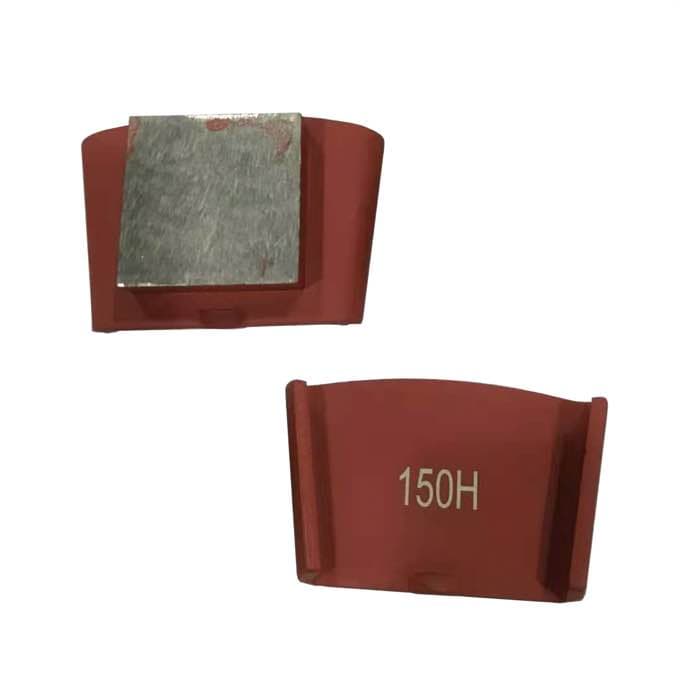
HTC Block Segment Diamond Grinding Disc (JOY-HTCS-Block)
View specs →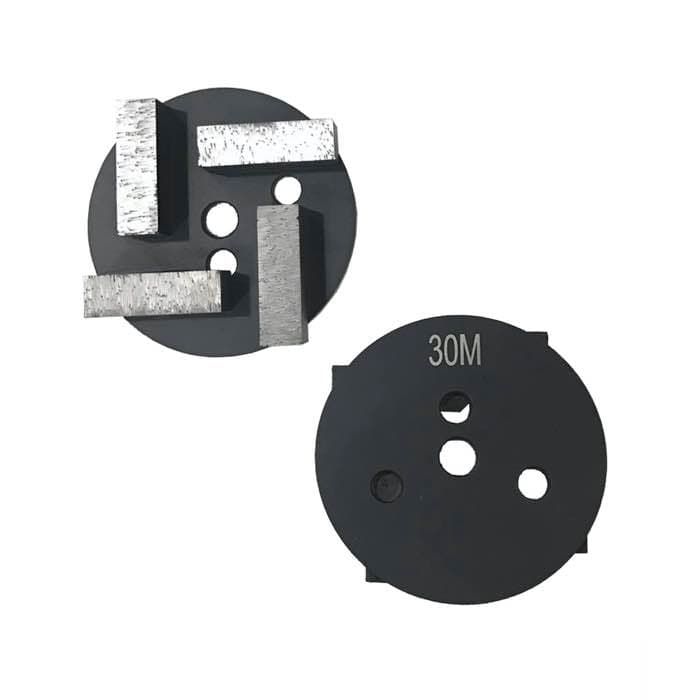
3'' Metal Bond Diamond Grinding Disc with 4 Segments (JOY-TP3-B4)
View specs →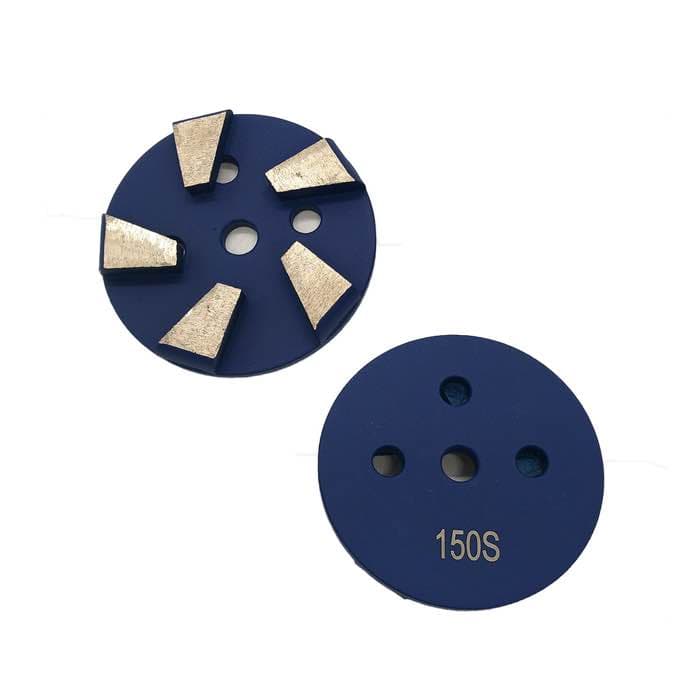
3'' Metal Bond Diamond Grinding Disc with 5 Segments (JOY-TP3-T5)
View specs →Need this tool for your job?
MOQ 1 · 7–30 days by order quantity · FOB & CIF · free sample on request
Author & Manufacturer
Written and reviewed by JOY TECH - an SGS & BV audited, CE/RoHS certified diamond tools manufacturer founded in 2004, exporting to 50+ countries.
Quality & Compliance
Our factory and quality management system are audited by SGS and Bureau Veritas. Products meet CE/RoHS requirements and every piece is 100% inspected before packing.
Verified Certificates
- • SGS Audited Supplier — Report No. QIP-ASI227442 & QIP-ASR247051
- • Bureau Veritas Verified — Report No. MIC-ASR257059
- • CE & RoHS Certificate of Conformity — No. CS240925001HRZ